Blog
What to Know Before Buying a Replacement Garage Door in Birmingham
A look at when a Birmingham garage door is past fixing, tied to the area's 1957-2007 housing stock, cold-moderate climate, and what it costs to replace instead of patch.
Checking It Yourself
Start with the build date of the house, not the door. Most of the houses we work on here went up between 1957 and 2007, with the typical build landing around 1980, and across the 40 neighborhoods we cover - from Southside a mile south to Bessemer fifteen miles out - the bulk of that stock dates to the 1980s and 90s. That matters because a door installed with the house is now somewhere between 20 and 45 years old, and the hardware standards from that era aren't what's sold today.
Look at the bottom panel first. If the house is steel-sided from the 80s build wave, check for rust bubbling along the bottom 12 inches where splash and condensation sit longest. Open the door by hand with the opener disconnected - if it doesn't stay roughly where you leave it at the halfway point, the springs have lost tension and that's wear, not a fluke.
Check the track bolts for play and the rollers for flat spots or cracking. On a door this age, flat-spotted rollers and a spring that won't hold mid-travel usually mean the whole system is tired, not just one part. Write down what you find before you call anyone - it saves a trip charge and a guess.
Leaving It Alone
A torsion spring under tension is not a weekend project, full stop. The spring on a standard double door in this area is wound to lift 130-plus pounds of panel, and if it lets go while you're adjusting the winding cone, it can break fingers or worse. We won't talk anyone through doing that one themselves, and if a company offers to, that's a reason to hang up.
The other thing to leave alone: a door that's been painted over multiple times on a house from the 1980s build era. Lead paint rules changed well after most of this housing stock went up, and sanding or grinding an old panel without knowing what's under the paint isn't worth the risk for a door you're likely replacing anyway.
One honest limit on our end - we don't carry every obsolete bracket or roller size for doors from the earlier end of that 1957-2007 range. If your door is on the older side of that window and uses a part nobody stocks anymore, replacement is usually faster and cheaper than us hunting down a match.
The Problem
With 122,308 owner-occupied houses across the service area, a lot of them are sitting on doors older than the opener installed to run them - a spring replaced in the 2000s on a 1980s door, or an opener bolted on in the last decade to a track that's original to the house. That mismatch is where most of our replacement calls start: not one broken part, but a system where every part is a slightly different age and none of them were engineered together.
Median household income across the area sits at $74,943, which puts a full replacement in reach for most owners here, but it also means the decision usually comes down to whether to sink more money into a door that's already past its design life. A cracked panel on a 15-year-old door is worth fixing. The same crack on a door original to a 1980-built house, with a spring that's also original, usually isn't - you're patching one symptom on a system that's failing as a whole.
That's the honest call we make on site: repair when the rest of the door is sound, replace when the age of the house and the age of the door line up and everything's wearing out together.
How Local Conditions Play In
This area sits in a cold-moderate climate band - not the hard freeze-thaw cycle you'd get further north, but enough seasonal temperature swing to work steel panels and fasteners loose over a few decades. It's a slower kind of wear than a harsh winter climate causes, which is part of why doors here often last into their third or fourth decade before they fail outright, rather than cracking a panel in year ten.
That slow wear shows up differently depending on where the house sits. Mountain Brook sits four miles from here, and Homewood five - close enough that a door built in the same era shows the same wear pattern, mostly rust at the bottom seal and tired torsion springs, rather than storm damage or wind-load failure. Neighborhoods closer in, like Fountain Heights or Highland Park, tend to have the older end of the 1957-2007 build range, so we see more doors nearing the end of their service life there than in the newer pockets further out toward Pelham or Pinson.
None of this is dramatic weather. It's just time and moderate humidity doing what they do to steel and springs over 20, 30, 40 years, and it means the right question for most houses here isn't whether the door failed - it's whether the house's age caught up with it.
Questions
Common questions
How do I know if my garage door is actually original to the house?
If the house was built in the typical range for this area - roughly 1957 to 2007, with most of that stock from the 1980s and 90s - check the spring mounting hardware and track style. Older side-mounted torsion setups and painted steel panels without foam backing are usually original. If you're not sure, a technician can tell from the hardware style in a few minutes on site.
Is it worth repairing an old door instead of replacing it?
Depends what's actually wrong. A single broken spring or a bent panel on an otherwise sound door is worth fixing. If the springs, rollers, and track are all original to a house from the 1980s build era and failing around the same time, you're usually better off replacing the whole system rather than patching each part as it goes.
Does Birmingham's climate wear doors out faster?
Not in a dramatic way. This area sits in a cold-moderate band, so you don't get the hard freeze-thaw cycling that stresses doors further north. What you do get is steady seasonal temperature swing and humidity that slowly loosens fasteners and rusts bottom panels over 20 to 40 years - which is why so many doors here fail from age rather than a single storm.
Recommendation
You Might Also Like
More garage door guides for Birmingham homeowners.
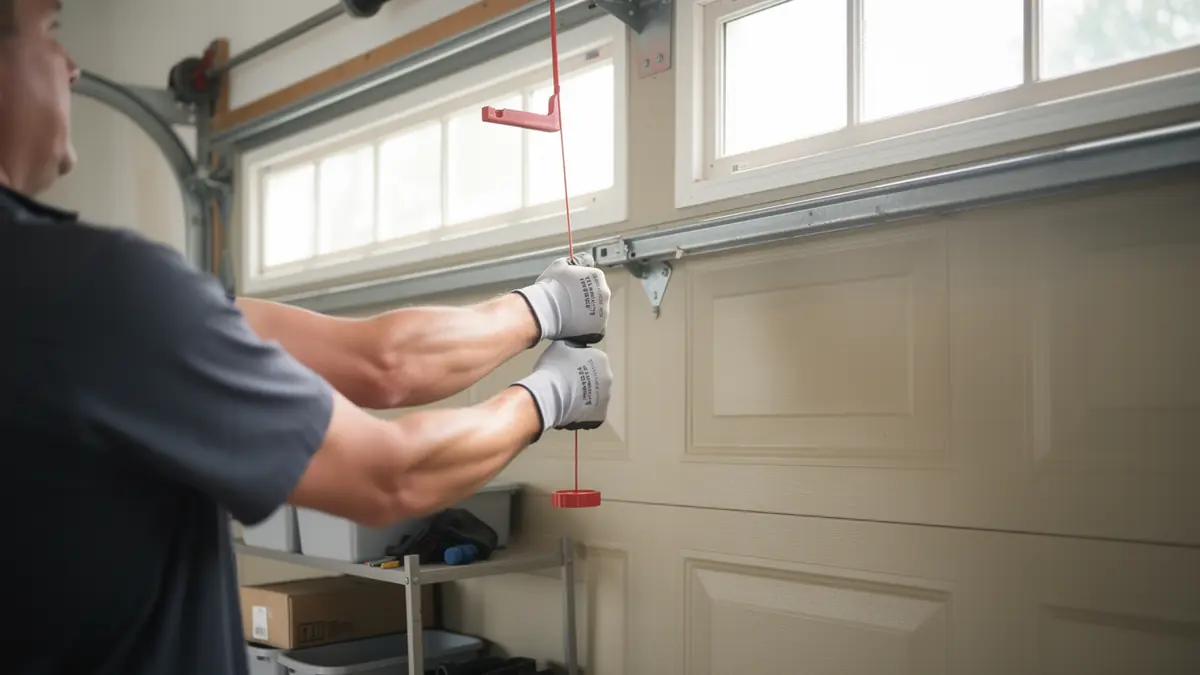 What We Actually Do on a Service Call in Birmingham
A look at what a Birmingham Garage Door Pros service call actually includes, built around the age of local housing stock and the area's cold-moderate winters.
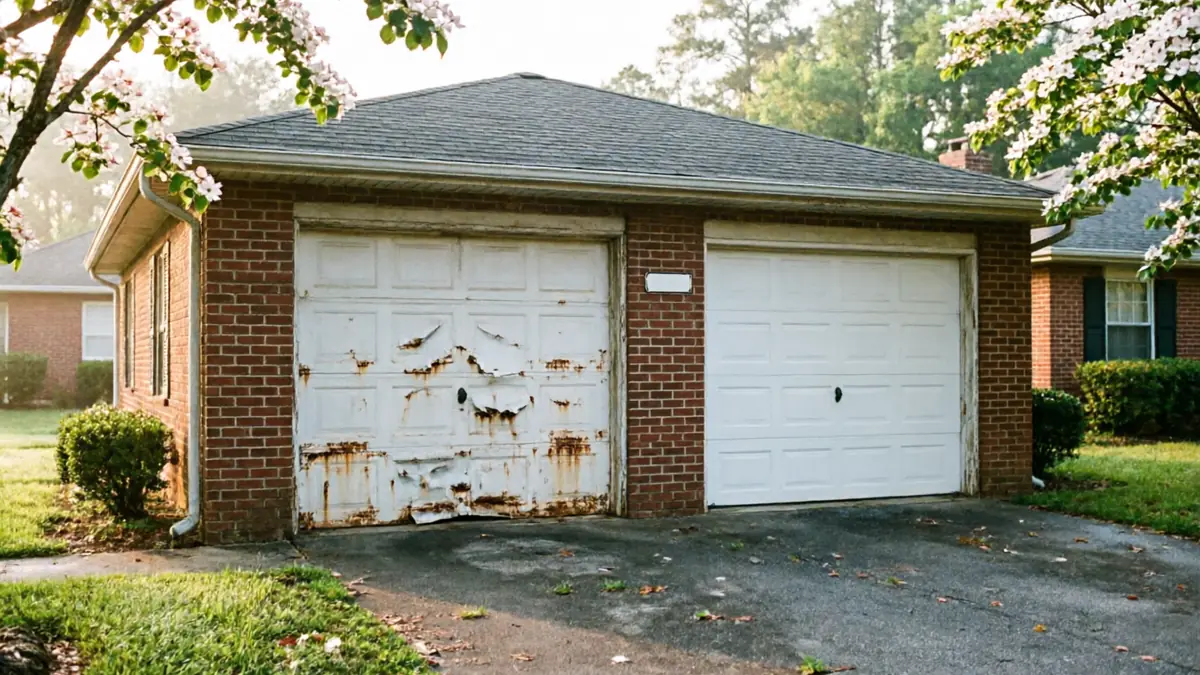 What We Look For Before We Touch Your Door
A look at what a Birmingham garage door tech checks first, tied to the 1980s housing stock and cold winters that strain springs and tracks here in town.
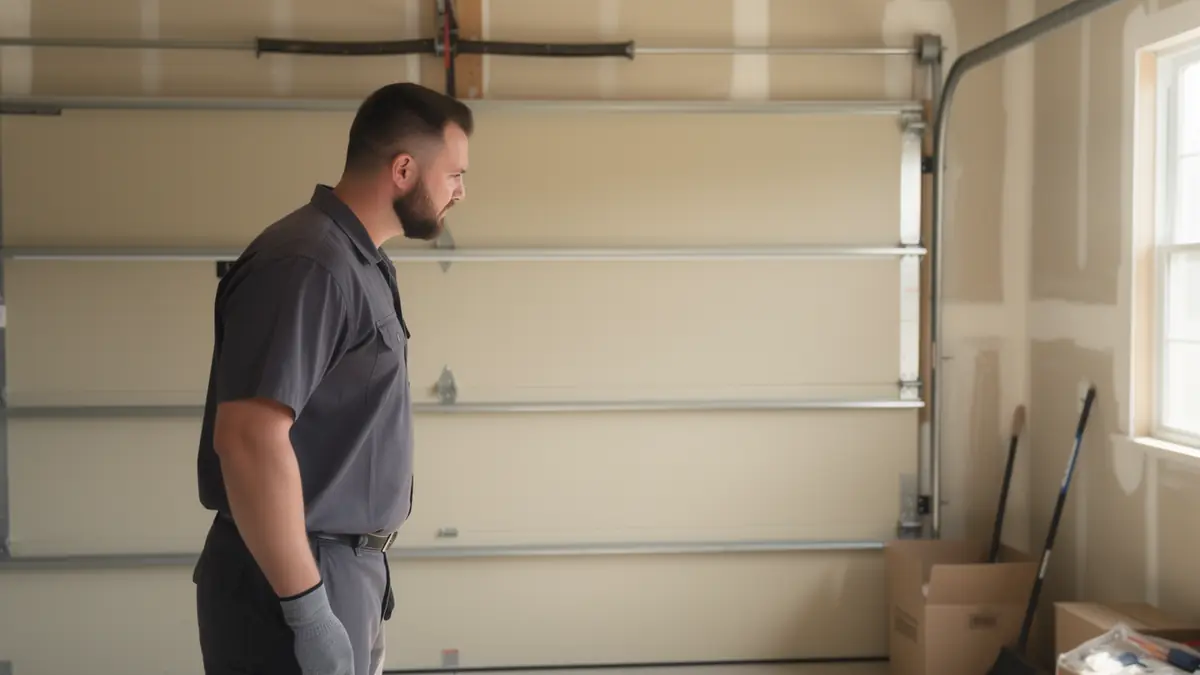 When the Power Goes Out, What Your Opener Can and Can't Do
How Birmingham's 1980s-era housing stock and cold-moderate winters affect garage door openers during power outages, and what to check before you call.
Ready when you are
Need a garage door sorted in Birmingham?
Birmingham Garage Door Pros repairs and installs garage doors, springs and openers in Birmingham, AL and the surrounding area.