Blog
When the Cold Snaps and the Spring Goes With It
Why Birmingham's 1980s housing stock and cold-moderate winters put extra strain on garage door springs, what to check yourself, and when to call it in.
Checking It Yourself
Before you call anyone, look at the spring itself. Most houses in this service area were built between 1957 and 2007, with the bulk of that stock going up in the 1980s and 90s, which means a lot of garages still running the torsion spring that came with the house. Look for a visible gap in the coil - a clean break shows as a sharp separation, often with the two halves pushed apart on the shaft. If the door won't lift, or lifts a few inches and stops, that's consistent with a broken spring, not a bad opener. Check the cable too; a snapped spring sometimes lets a cable go slack or jump the drum. Don't try to open the door manually with the opener engaged if the spring is gone - without spring tension, a standard door can weigh over a hundred pounds, which is more than most people can control evenly on the way down. Pull the emergency release only after you've confirmed the door is fully down and supported. If you see rust pitting along the coils, that's worth noting too - moisture plus age is what eventually works its way into a line crack that fails on a cold night.
Leaving It Alone
A torsion spring under tension is not a DIY repair, full stop. This isn't a liability line - it's the actual job. These springs store enough force to cause serious injury if you unwind them without the right bars and a clear idea of the turn count for your door's weight and size. We don't recommend the box-store winding kits either; the instructions assume every door is standard, and a lot of houses in this area, especially the older stock, were built with custom door sizes or heavier insulated panels added later that change the math. If a cable has come off the drum along with the spring, leave that alone too - a loose cable under any remaining tension can whip. The one thing you can safely do is unplug the opener so nobody accidentally triggers it while the door is down and unsupported. Past that, this is a call-it-in repair, not a weekend project.
The Problem
Torsion springs are rated for a number of cycles, usually somewhere around 10,000, which works out to roughly seven to ten years of normal use. Given that median housing age here lands around 1980, a lot of garages in this area are running springs well past that window, even accounting for replacements along the way. Metal fatigue doesn't announce itself - the spring looks fine until the last cycle it has. What pushes a tired spring over the edge is usually a sudden temperature drop. Steel contracts in the cold, and a spring that's already thinning from years of flexing has less room to handle that extra stress. That's why spring failures cluster after a cold snap rather than spreading evenly through the year. It's not that cold weather breaks good springs - it's that cold weather is what finally breaks the ones already near the end.
How Local Conditions Play In
This area sits in a cold-moderate climate band, which means you don't get a steady hard freeze all winter the way a northern town does - you get stretches of mild weather interrupted by sharper cold snaps. That pattern is actually harder on aging springs than consistent cold would be, because the metal is cycling between relaxed and contracted instead of settling into one state. Combine that with a housing stock where a large share of homes - across the 40 named areas in this service territory - date to the 1980s and 90s, and you've got a lot of original or first-replacement springs sitting right at the point where a cold night is the tipping point rather than the cause. Across the service area's 122,308 owner-occupied houses, that's a predictable seasonal pattern, not a coincidence. With median household income here at $74,943, replacing a spring is a manageable repair most homeowners can plan for rather than a reason to put it off until it fails at the worst possible time.
Questions
Common questions
Why do springs seem to break more often when it's cold out?
Steel contracts as it cools, which adds stress to a spring that's already worn from years of cycling. A spring in good shape can handle that, but one near the end of its life - common in houses built in the 1980s and 90s around here - often doesn't. The cold doesn't cause the wear, it just finishes it.
Can I replace a torsion spring myself to save money?
We don't recommend it. A torsion spring under tension can cause serious injury if unwound incorrectly, and the box-store kits assume a standard door. A lot of homes in this area have custom sizes or added insulation that changes the spring rating needed, so getting it wrong is easy.
How old is too old for a garage door spring?
Most torsion springs are rated for around 10,000 cycles, roughly seven to ten years of typical use. Given that a lot of housing here dates to the 1980s and 90s, many garages are running springs well past that mark, even with a replacement or two along the way.
Recommendation
You Might Also Like
More garage door guides for Birmingham homeowners.
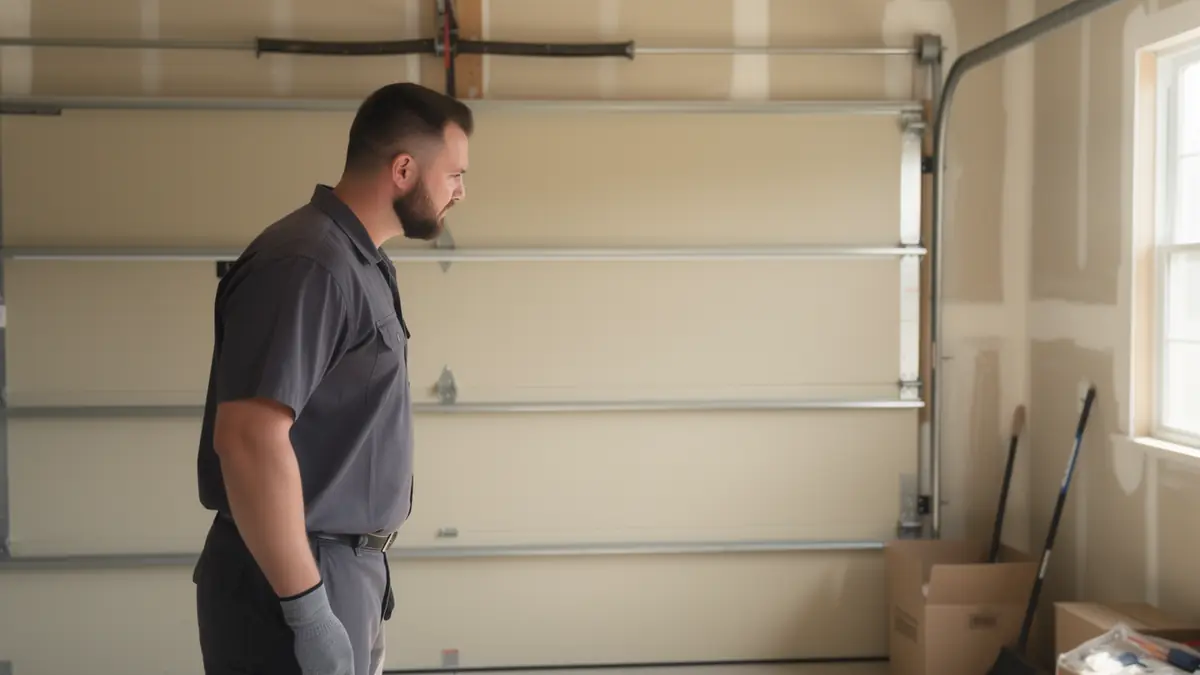 When the Power Goes Out, What Your Opener Can and Can't Do
How Birmingham's 1980s-era housing stock and cold-moderate winters affect garage door openers during power outages, and what to check before you call.
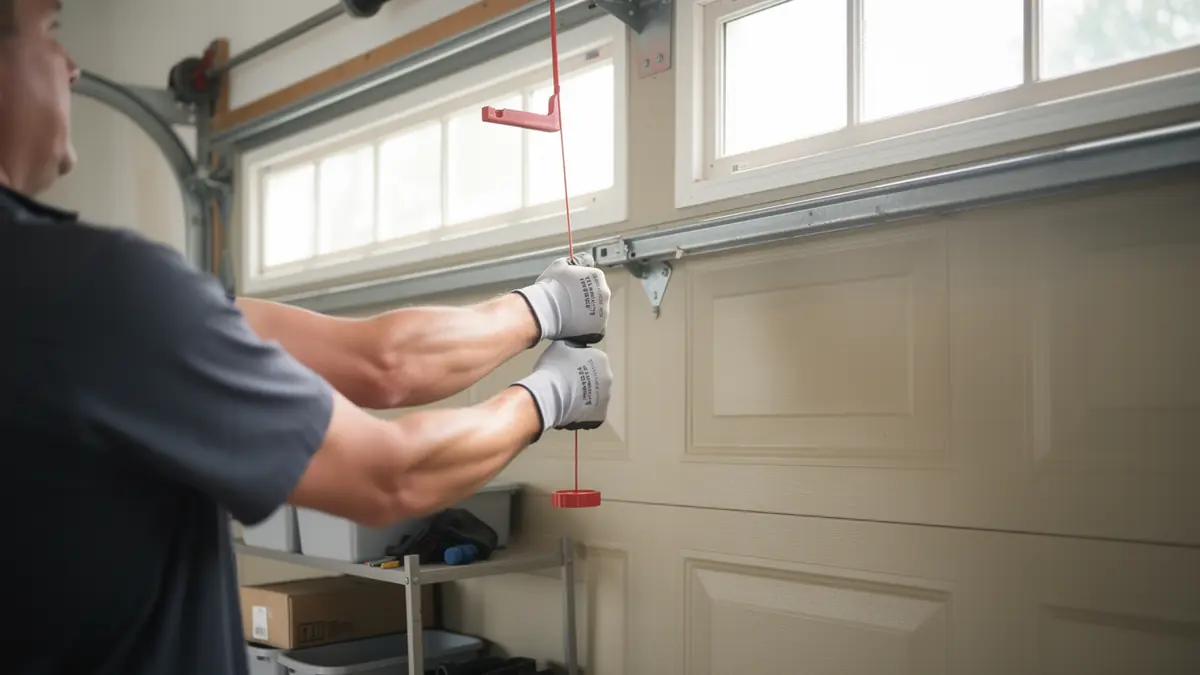 What We Actually Do on a Service Call in Birmingham
A look at what a Birmingham Garage Door Pros service call actually includes, built around the age of local housing stock and the area's cold-moderate winters.
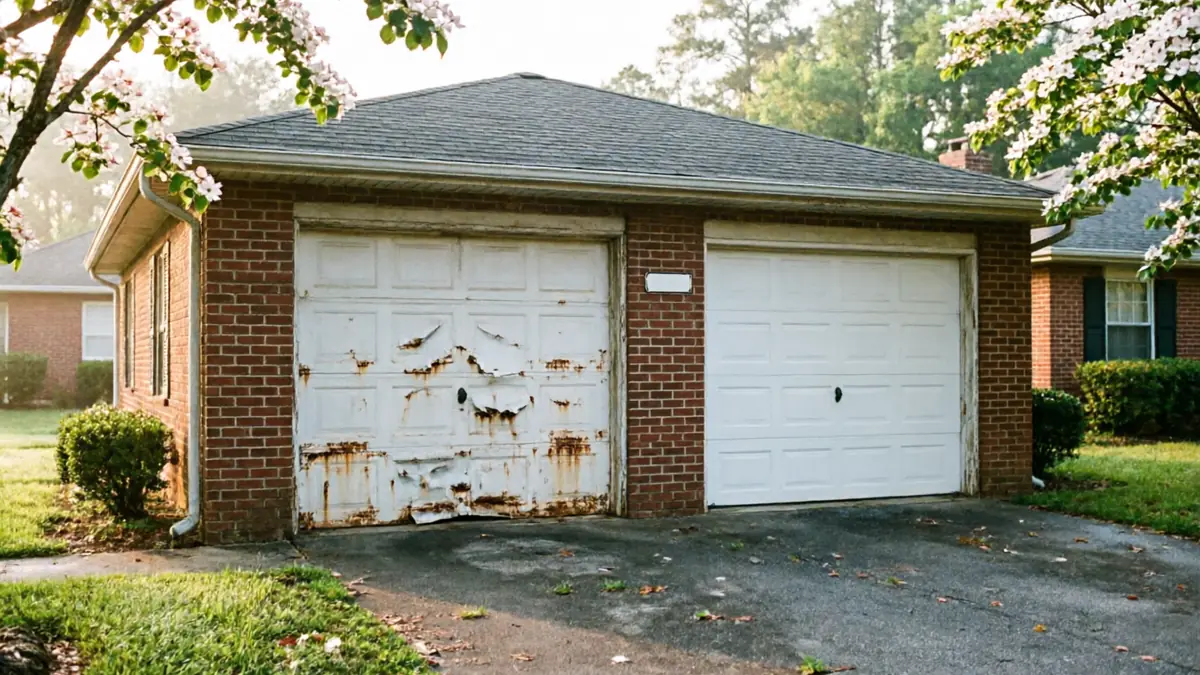 What We Look For Before We Touch Your Door
A look at what a Birmingham garage door tech checks first, tied to the 1980s housing stock and cold winters that strain springs and tracks here in town.
Ready when you are
Need a garage door sorted in Birmingham?
Birmingham Garage Door Pros repairs and installs garage doors, springs and openers in Birmingham, AL and the surrounding area.