
Blog
Why Your Sensor Eyes Keep Losing Alignment in Birmingham
Why garage door safety sensors drift on Birmingham homes built 1957-2007, and how the area's cold moderate climate shifts slabs enough to misalign the beam.
Checking It Yourself
Start at the bottom of each track, six inches or so off the floor, where the two photo-eyes face each other. If your opener dates back anywhere near the 1957-2007 build-out that put up most of the houses here, the sensor pair was very likely added after the fact, since photo-eyes weren't standard equipment on the original installs. That means the bracket holding each eye is often a separate piece of hardware, screwed into track or framing that's already decades old.
Look for a steady LED on each unit - solid, not blinking. Wipe the lenses with a dry cloth; garage dust and the odd cobweb block the beam more often than people expect. Check that both brackets point square at each other, not angled up, down, or sideways. If one eye has been bumped - a bike leaned against it, a storage bin shoved too close - that's usually a five-minute fix: loosen the wing nut, re-aim, snug it back down. If the LED won't hold steady even after cleaning and re-aiming, the wiring or the eye itself is the next suspect, not the alignment.
Leaving It Alone
We don't recommend bypassing a sensor that won't align - taping it, flipping the polarity, or running the door on manual override - because a door that slams shut on a drifted beam is the one call we'd rather not get. Sensors are the cheapest part on the whole system and the one part you really don't want to disable.
With a median household income of $74,943 across the area, most owners we talk to want the sensor fixed, not the whole opener replaced, unless the bracket itself is cracked or the wiring's been chewed through. That's a fair instinct - a misaligned eye is almost never a reason to swap hardware. Where we draw the line is wiring repair: if a rodent or a weed trimmer has nicked the low-voltage line running to the eye, that's a job for a tech with a meter, not a splice kit from the hardware store. Guessing at a short in that wire risks the opener's logic board, and that part isn't cheap to replace.
The Problem
Across the service area's 191,797 households, a lot of garages share the same setup: a door and track from the main building era and a sensor pair bolted on later, two systems aging at different rates. The track was built to last; the sensor bracket was an afterthought, often held by a single sheet-metal screw into wood or thin steel that's had thirty or forty years to work loose.
When a sensor drifts, the opener doesn't fail outright - it does something worse. It reverses on a dime for no visible reason, or it refuses to close at all, blinking an error code nobody bothers to look up. Owners usually blame the opener's logic board or the remote battery before they ever check the two little boxes at the bottom of the track. In most of the calls we see, the fix sits six inches off the floor, not inside the motor housing.
How Local Conditions Play In
Birmingham sits in a cold moderate climate band, and the freeze-thaw swing each winter is mild compared to places further north, but it's still enough to shift a concrete slab a fraction of an inch every season, and a fraction of an inch at the bottom of a sensor bracket is enough to throw the beam off a photo-eye. The movement is slow and it's cumulative - nobody notices one winter's shift, but ten or twenty winters on a thirty-year-old slab adds up to a bracket that's no longer square.
Most of the houses on this side of town - Southside, Fountain Heights, Highland Park - went up during the same 1980s and 90s run that shaped the broader service area, which means the sensor brackets you're dealing with are usually retrofits bolted onto track hardware older than the sensors themselves. Two different ages of hardware, settling at two different rates, on a slab that moves a little every year - that combination is most of why sensor drift keeps coming back as a service call instead of a one-time fix.
Questions
Common questions
Why does my garage door reverse halfway down for no reason?
Nine times out of ten it's a sensor that's drifted out of alignment, not a problem with the motor. Check that both photo-eyes are clean, pointed square at each other, and that the LED on each one is solid rather than blinking. A bumped bracket is the most common cause.
How often should I check my sensor alignment?
Once or twice a year is enough for most owners, ideally after a hard freeze or a big temperature swing since that's when slab movement is most likely to nudge a bracket. If you store bikes or bins near the track, check more often - physical bumps cause more drift than weather does.
Can I just disconnect the sensors if they keep causing problems?
We don't recommend it. A door running without working sensors has no way to stop itself on something in the path, and that's the exact safety feature the sensors exist for. If they keep misaligning, the bracket or wiring needs attention, not removal.
Recommendation
You Might Also Like
More garage door guides for Birmingham homeowners.
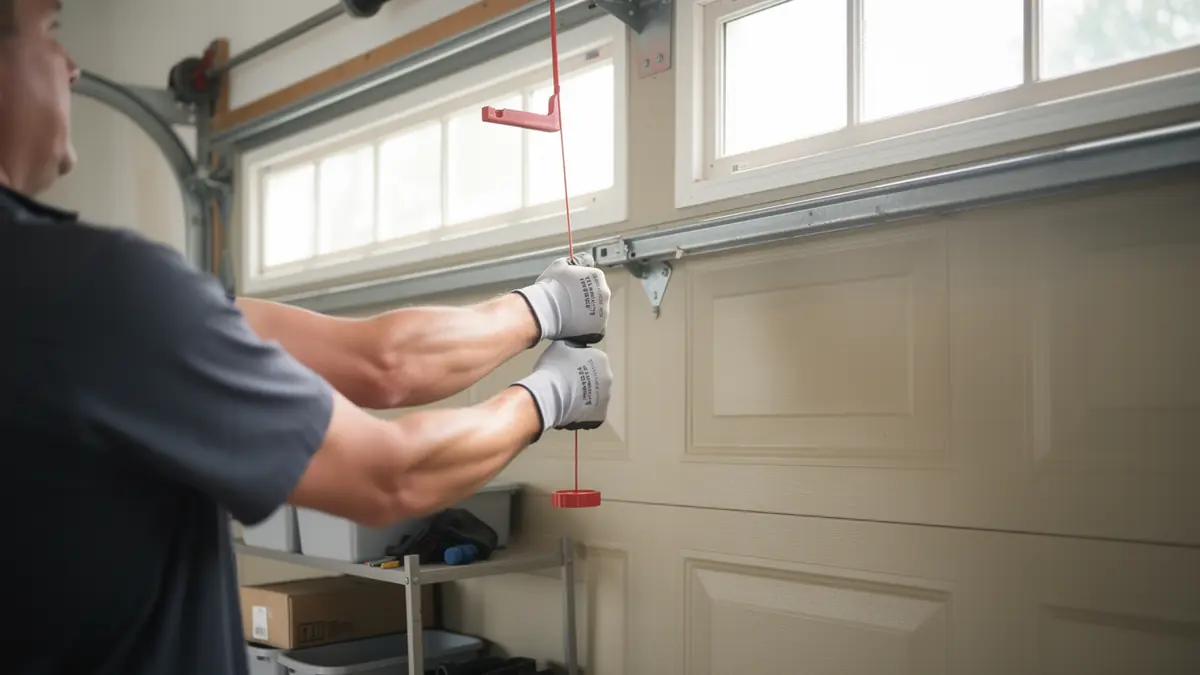 What to Know Before Buying a Replacement Garage Door in Birmingham
A look at when a Birmingham garage door is past fixing, tied to the area's 1957-2007 housing stock, cold-moderate climate, and what it costs to replace instead of patch.
What We Actually Do on a Service Call in Birmingham
A look at what a Birmingham Garage Door Pros service call actually includes, built around the age of local housing stock and the area's cold-moderate winters.
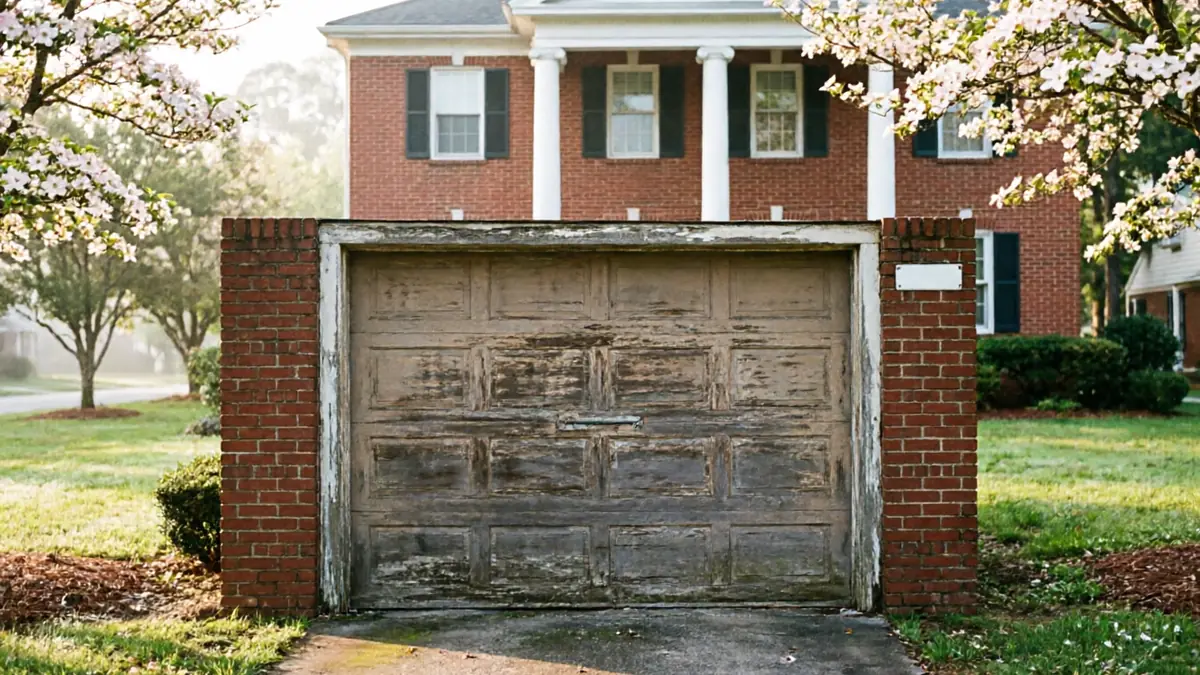 Why Garage Door Seals Fail Faster on Birmingham's Older Housing Stock
Birmingham homes built 1957-2007 lose heat through worn garage door seals in our cold winters.
Ready when you are
Need a garage door sorted in Birmingham?
Birmingham Garage Door Pros repairs and installs garage doors, springs and openers in Birmingham, AL and the surrounding area.