
Blog
What That Noise Is Telling You About Your Birmingham Garage Door
Birmingham homes built between 1957 and 2007 develop specific door noises as original hardware ages past its rated cycle life. Here's how to tell a routine fix from a real problem.
Checking It Yourself
Pull the cord and run the door up and down by hand with the opener disconnected. Listen for where the sound happens, not just that it happens. A squeal at the rollers, a thud at the top of travel, a grinding that follows the cable drum - these point to different parts.
Most houses in the Birmingham area were built somewhere between 1957 and 2007, with a lot of that stock clustered around 1980. If your house falls in that range and nobody's touched the door hardware since it went in, you're listening to original springs, original rollers, maybe original hinges. That's decades of cycles on parts rated for a fraction of that.
Check the track brackets for play - grab the track and wiggle it. Loose lag screws into the jamb are common on houses from that era because the framing has had forty-plus years to shrink and shift. Spray a dry lube (not WD-40, it attracts grit) on hinges and rollers, not on the track itself. If the noise is a rhythmic clunk once per rotation of the drum, that's usually a flat spot on a roller, not a spring issue, and it's cheap to fix yourself.
Leaving It Alone
Some noise is just the door telling you it's old, not that it's failing today. A steady, even squeak from dry hinges isn't an emergency - lube it and move on. A little rattle in aluminum panels on a windy day is normal; aluminum doors do that regardless of age.
We don't recommend tearing into anything involving the torsion spring itself. If the noise is coming from the spring area - a sharp bang, then silence, then the door won't move - that's a broken spring, and the stored tension in that coil can take a hand off. That one call us for, every time.
If your house is on the newer end of the 1957-2007 range, built closer to 2007, the hardware is probably still within a reasonable service life and a little noise is just needing lubrication, not replacement. The honest truth is we can't diagnose a noise over the phone with full confidence - sound travels oddly through a garage and what sounds like a spring can be a loose panel bolt. Worth a look before you assume the worst.
The Problem
The real issue in this area isn't any single noise - it's that so much of the housing stock sits in that 1980s-90s window, which means a huge share of doors are hitting the same failure point at the same time: original torsion springs rated for about 10,000 cycles, now well past it on a door opened and closed twice a day for over forty years.
When a spring gets that old, it doesn't just break cleanly. It weakens unevenly, which is what produces that uneven grinding or a door that closes crooked. You'll often hear a change in pitch over a few weeks before it actually lets go - that's the warning window, and it's worth catching.
The other common pattern: nylon rollers from that same era have gone brittle. They don't fail all at once, they get noisier month over month, chattering instead of rolling smooth. Both of these are wear patterns tied directly to how old the original hardware is across this part of the metro, not random bad luck.
How Local Conditions Play In
Birmingham sits in a cold-moderate climate band, not the deep freezes of the upper Midwest, but enough winter temperature swing to matter for garage door hardware. Metal track and brackets contract in cold and expand in heat, and that cycle, repeated every winter since a house was built, loosens bolts that were torqued snug on installation day.
That's part of why a 1980-built door starts rattling at the track brackets specifically, rather than failing all at once. The fasteners work loose a little more each winter. Nylon rollers get brittle faster under repeated freeze-thaw than they would somewhere with a flatter temperature curve year-round, and brittle rollers are noisy rollers - a chatter instead of a smooth hum as they pass over the track.
If you own one of the many houses built in that 1980s-90s stretch common across this area, your hardware has been through four or five decades of this seasonal contraction and expansion. That's the mechanical reason the noise shows up now, on this house, rather than being random.
Questions
Common questions
My garage door makes a loud bang but still opens fine - is that a spring?
Usually yes. A torsion spring that's cracking rather than fully snapping can make a loud bang as it shifts, then still let the door open because the opposite spring (on a two-spring setup) is holding some of the weight. Don't keep using it - get it looked at before the second spring takes the full load and fails too.
Why does my door only make noise in winter?
Cold tightens up grease and makes metal contract slightly, which is enough to turn a marginal roller or loose bracket into an audible noise. Given Birmingham's cold-moderate winters, this shows up seasonally on older hardware rather than being constant.
Is it worth replacing rollers on a door built in the 1980s or earlier?
Often yes, if the rest of the hardware - springs, cables, track - is sound. Rollers are cheap relative to the whole door, and on hardware this old, brittle nylon rollers are a common, isolated noise source you can fix without replacing the opener or the door itself.
Can I just keep lubricating the noise away?
For a while, on hinges and rollers, yes. Lubricant doesn't fix a cracked spring, a bent track, or a stripped gear in the opener - it just masks the sound temporarily. If the noise comes back within a week or two of lubricating, something's actually worn, not just dry.
Recommendation
You Might Also Like
More garage door guides for Birmingham homeowners.
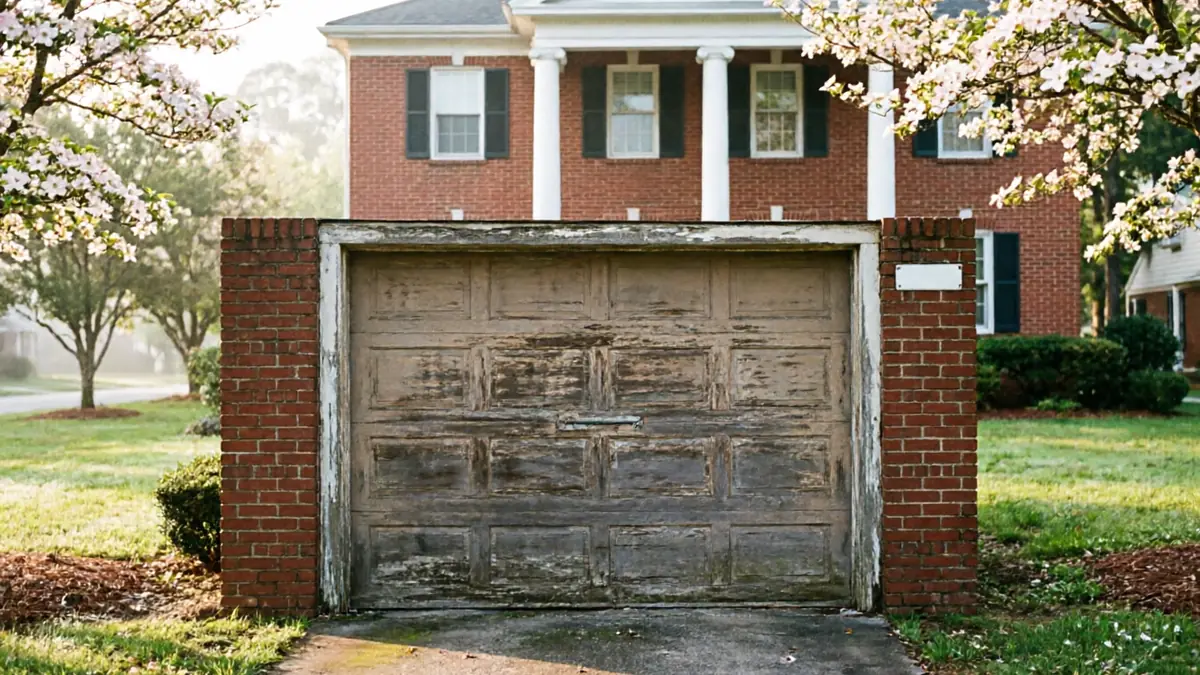 Why Garage Door Seals Fail Faster on Birmingham's Older Housing Stock
Birmingham homes built 1957-2007 lose heat through worn garage door seals in our cold winters.
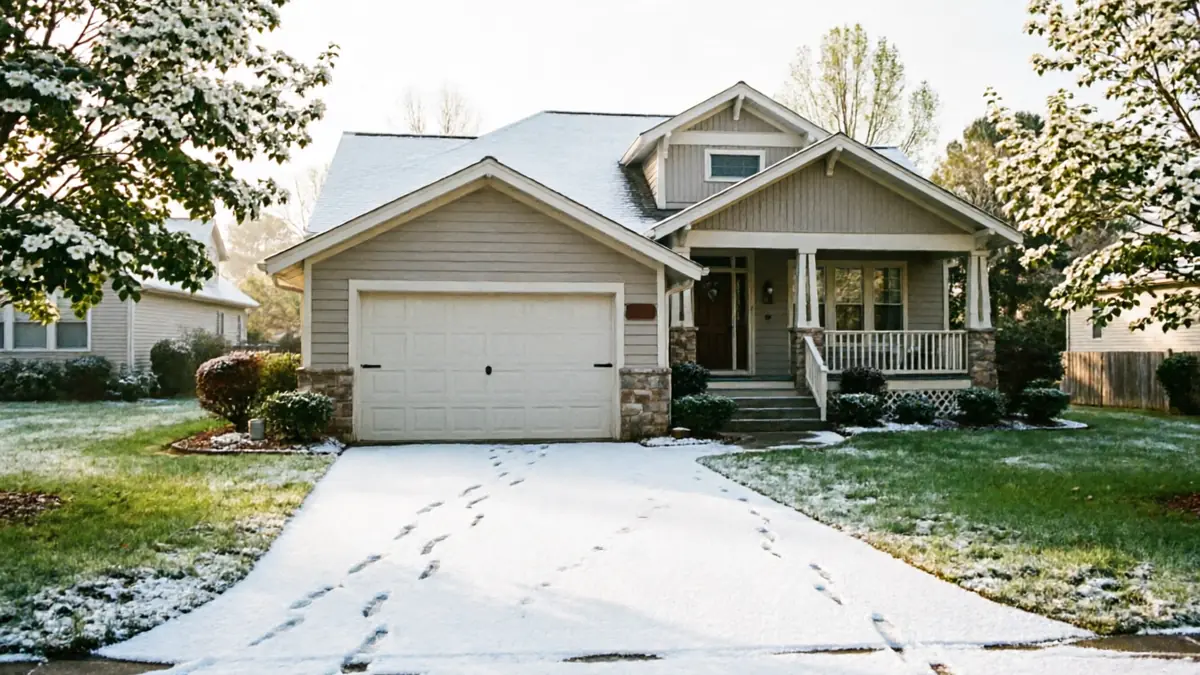 What to Check on Your Garage Door Before Calling Someone in Birmingham
Most Birmingham garage doors date to the 1980s building boom, with hardware suited to cold winters.
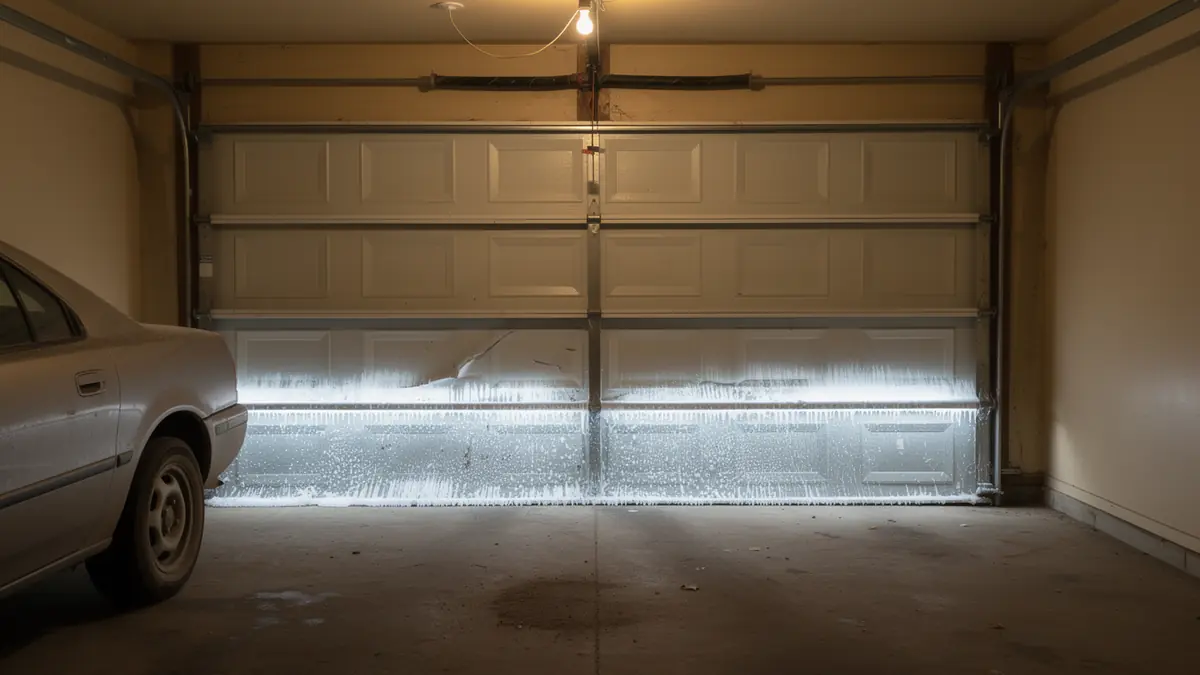 Why Your Sensor Eyes Keep Losing Alignment in Birmingham
Why garage door safety sensors drift on Birmingham homes built 1957-2007, and how the area's cold moderate climate shifts slabs enough to misalign the beam.
Ready when you are
Need a garage door sorted in Birmingham?
Birmingham Garage Door Pros repairs and installs garage doors, springs and openers in Birmingham, AL and the surrounding area.