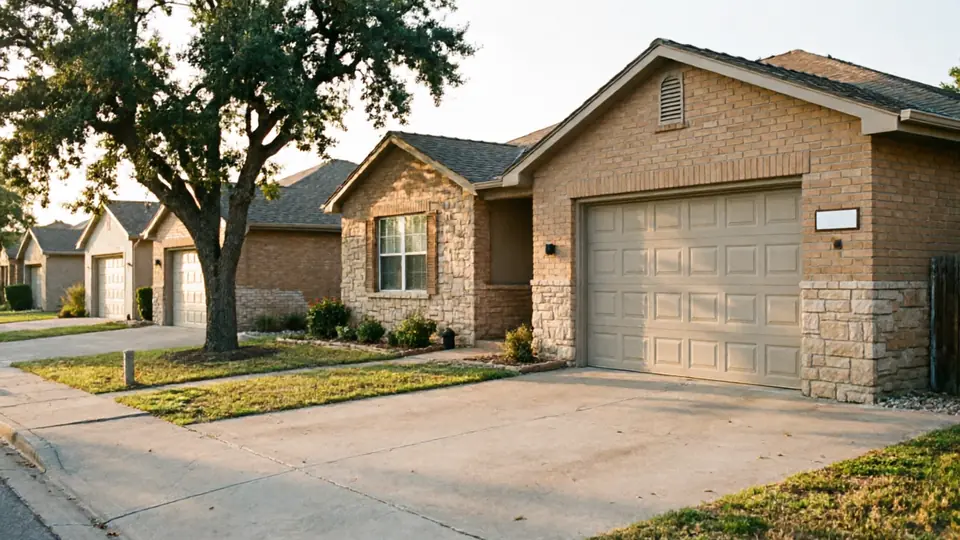
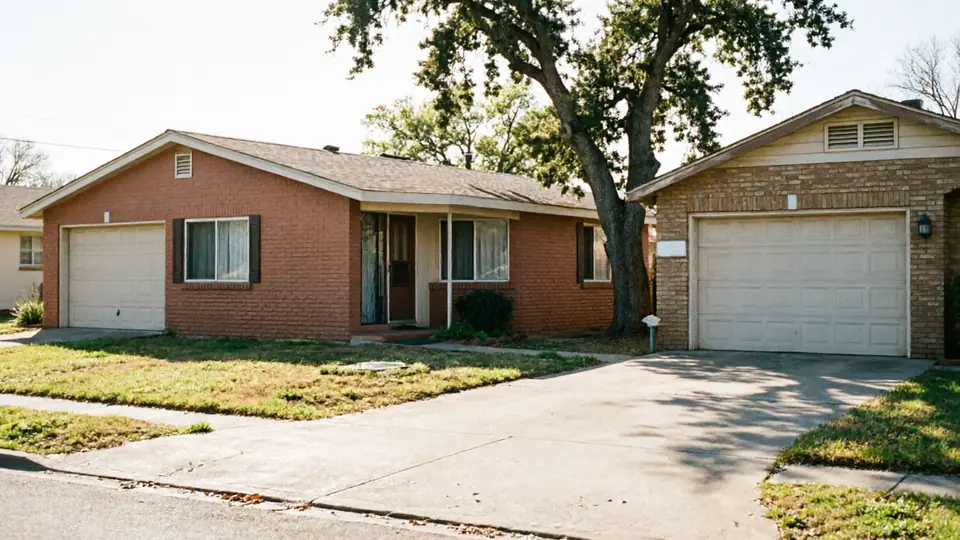
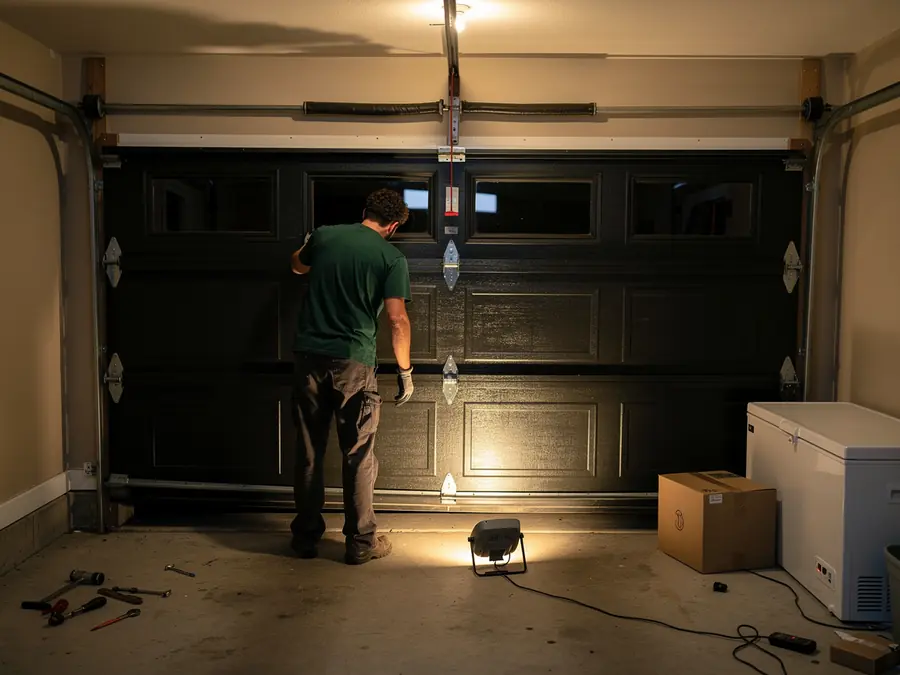
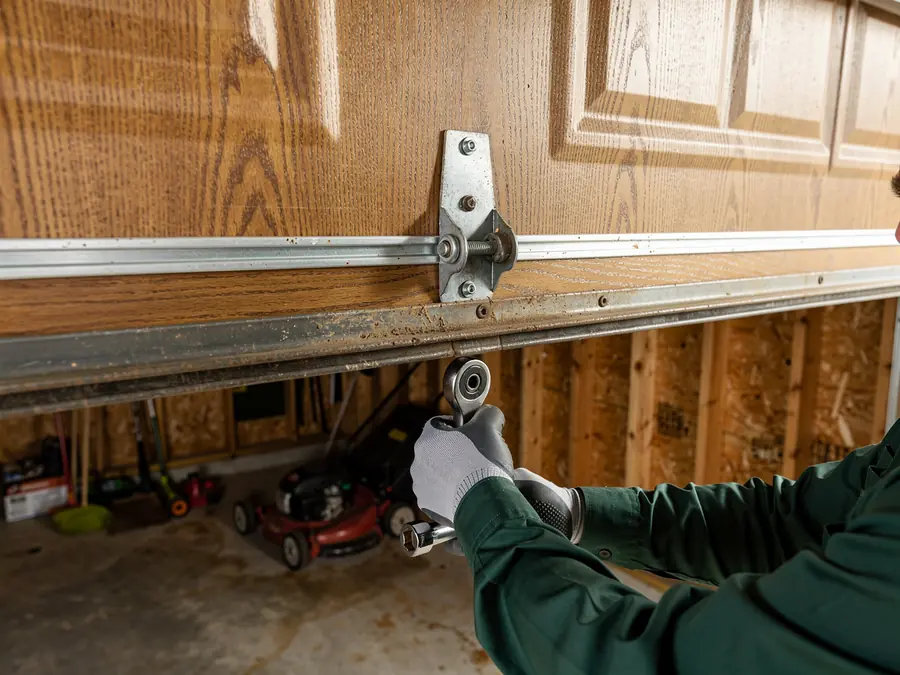
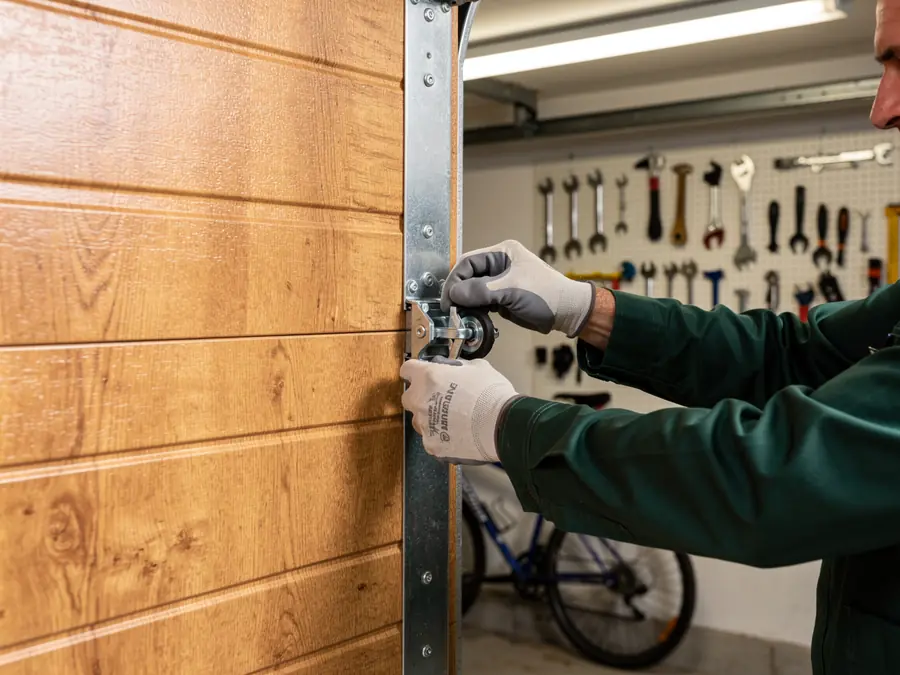
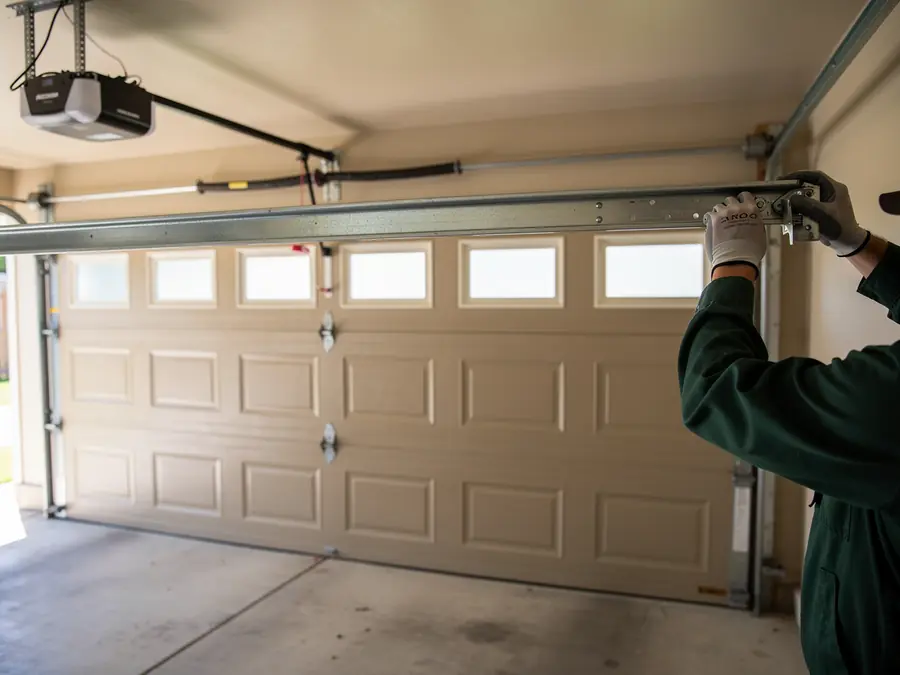
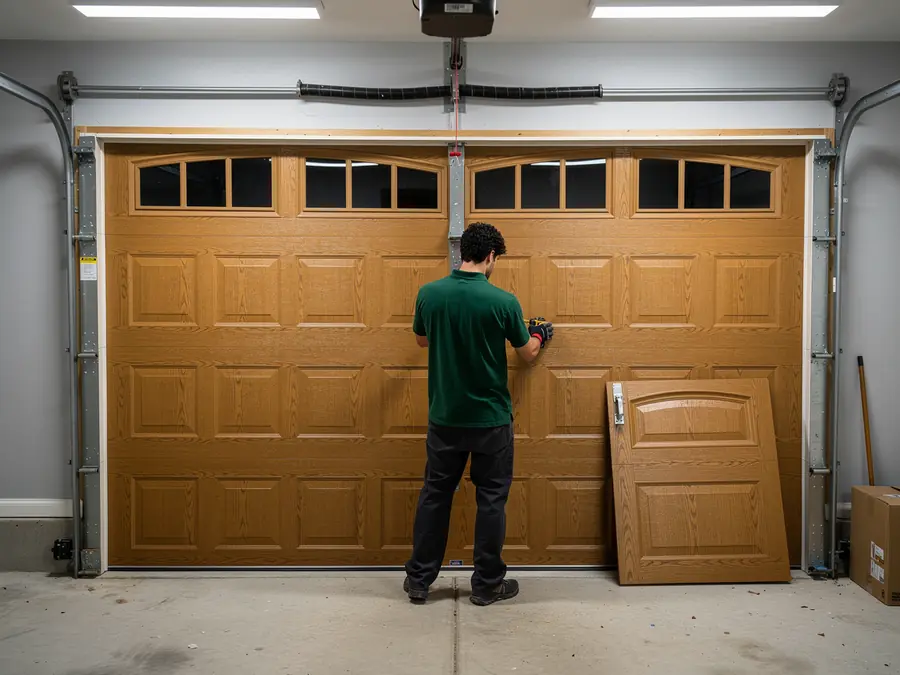
Irondale sits about 8 miles out from Birmingham, and the building stock reflects a steady run of construction centered on 1980, which is a decade later than a lot of the older city neighborhoods closer in. That matters because the hardware standards shifted in the years after - heavier doors, torsion conversions, different spring counts - and houses built right at that line often got whatever was standard the year they were framed, then never got upgraded. A door that's original to a 1980 build is now well past any reasonable service life, and the opener bolted to it, if it's also original, predates the safety reversal sensors that became standard later. Median household income here runs $71,240, which tells us most owners replacing a door are doing it once and want it done right, not doing it as a stopgap. The failure mode we see most in this housing stock isn't a broken spring from heavy use - it's rot and warp in the original wood jamb that the door was never rehung to match.