
Opener component failures
What fails first is rarely the motor housing itself; it's the drive gear stripping, the logic board losing its memory of your remotes, or the travel limits drifting so the door reverses for no reason.
Hoover, Birmingham
Opener installs for Hoover's mostly-1990s housing stock, 10 miles out from our Birmingham shop - what the drive means for scheduling and what's actually on the truck.
Booking
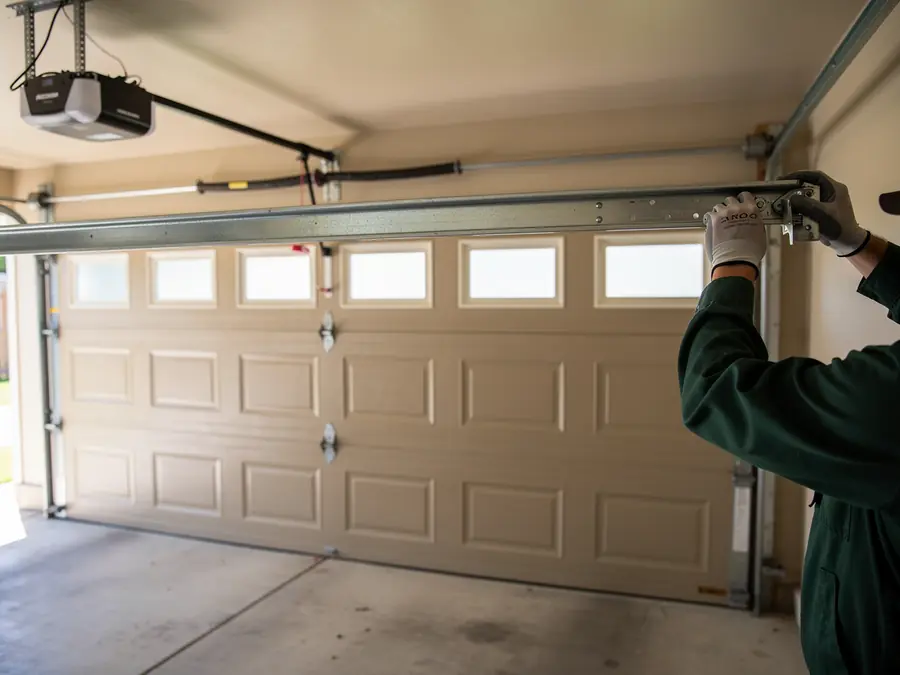
Hoover sits about 10 miles south of our shop in Birmingham, which is close enough that a same-day opener install is usually workable but far enough that we ask you to confirm your door's make and mounting style before we load the truck - it saves a second trip if your bracket or header clearance is non-standard. Most of the calls we get out this way are planned replacements rather than true emergencies: an opener that's started grinding, one that drops the door halfway, or a remote that quit answering. Because we're coming from Birmingham, we build Hoover stops around a rough window rather than an exact hour, and we call ahead once we're on the way. If you've already got a new unit sitting in the box, tell us the model when you book - some drive-belt units need a different mounting kit than the chain-drive opener they're replacing, and we'd rather bring the right hardware the first time than make you wait on a second run.
Watch-outs
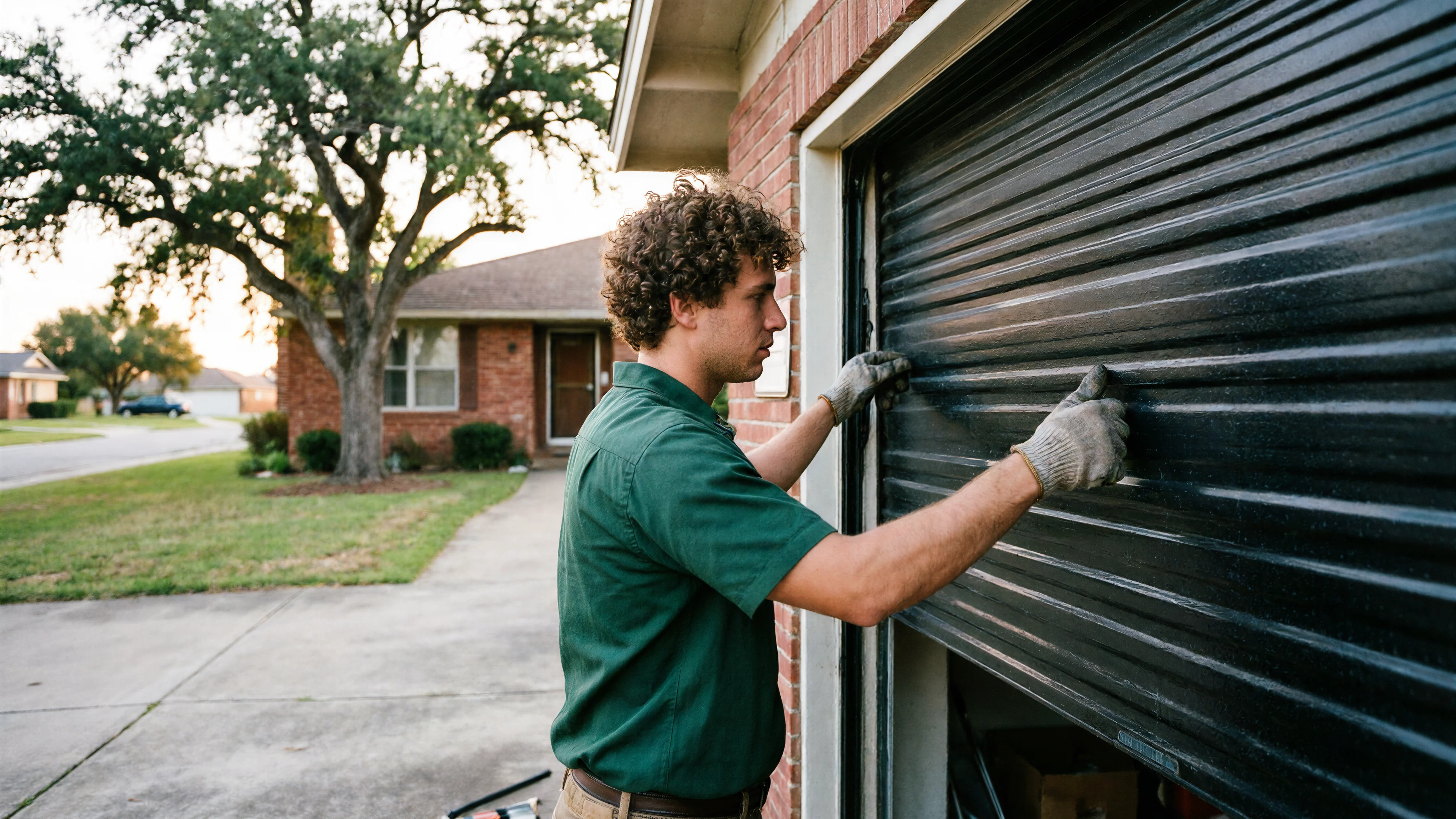
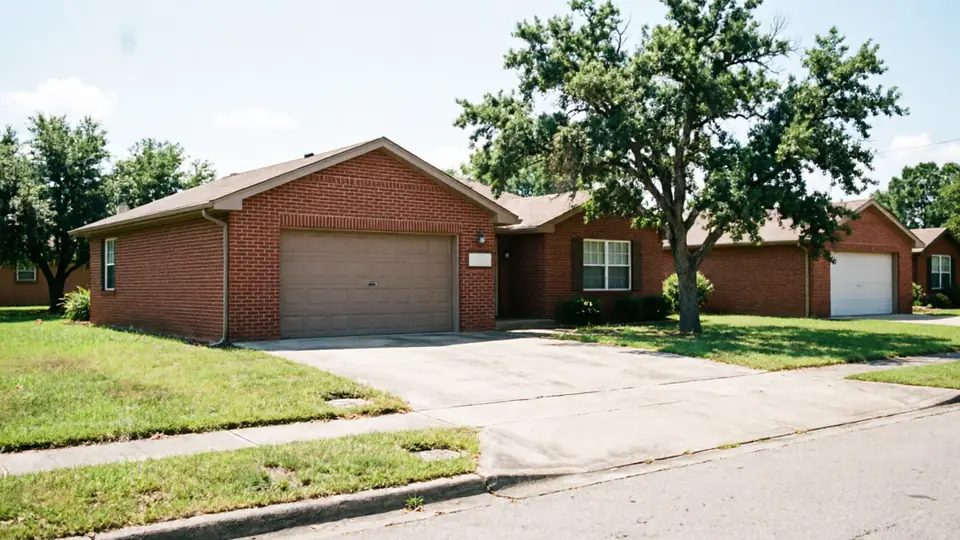
Hoover's housing stock centers on a median build year of 1994, which puts a lot of original openers in this area right at or past the end of their realistic service life - most residential units are engineered for somewhere around 10,000 to 15,000 cycles, and a garage door used daily for three decades gets there.
What fails first is rarely the motor housing itself; it's the drive gear stripping, the logic board losing its memory of your remotes, or the travel limits drifting so the door reverses for no reason.
On homes from this era the safety-sensor brackets are also often the originals - bent, aimed wrong after years of lawn equipment bumping them, or wired with cloth-sheathed cord that's gone brittle. None of that is unique to one house; it's just what you'd expect from hardware that's been running quietly since the mid-90s and never been looked at.
Warning signs
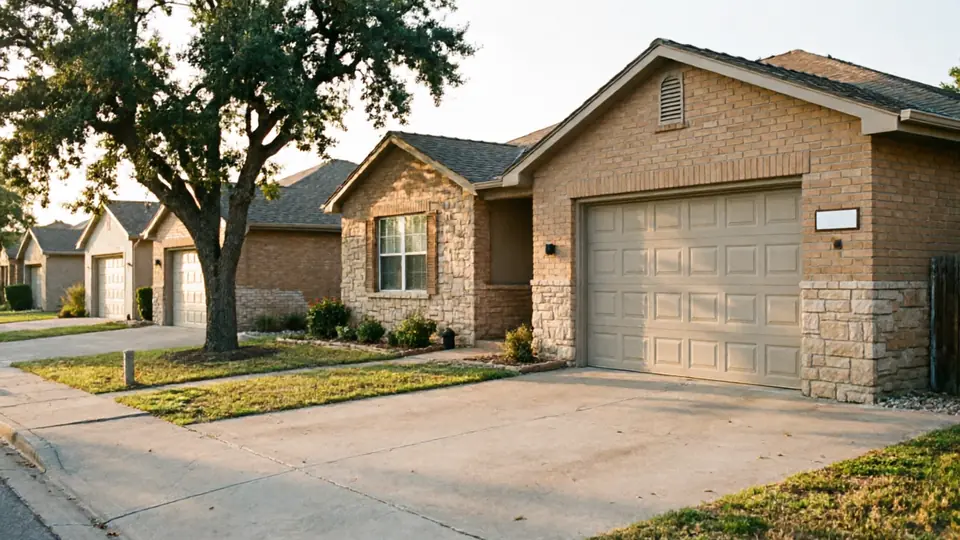
The most common symptom we hear described is the opener running louder than it used to, or the door hesitating partway up before it finishes the cycle. Some owners notice the wall button still works but the remote in the car doesn't, which usually points to a dead receiver board rather than the remote battery. A door that reverses right at the floor, every time, almost always traces back to the photo-eye sensors - either knocked out of alignment or just old enough that the lenses have clouded. If your opener is original to a mid-90s build, a full stop mid-cycle with no error pattern is often the logic board giving out rather than anything mechanical, which changes whether a repair is worth attempting.
DIY or pro
Swapping a remote battery or re-aiming a sensor bracket is reasonable DIY work, and we'd rather you try that first than pay a truck to come out for it.
Mounting a new opener unit is a different job - it involves setting travel limits, calibrating force settings so the door doesn't crush something or someone, and wiring the safety reversal system correctly, which is not optional on any opener sold since the early 1990s.
Get the force setting wrong and you either have a door that won't close under light resistance or one that keeps closing when it shouldn't. If your existing header bracket or rail doesn't match the new unit's mounting pattern, that's also where DIY installs usually stall out partway through.
Pricing
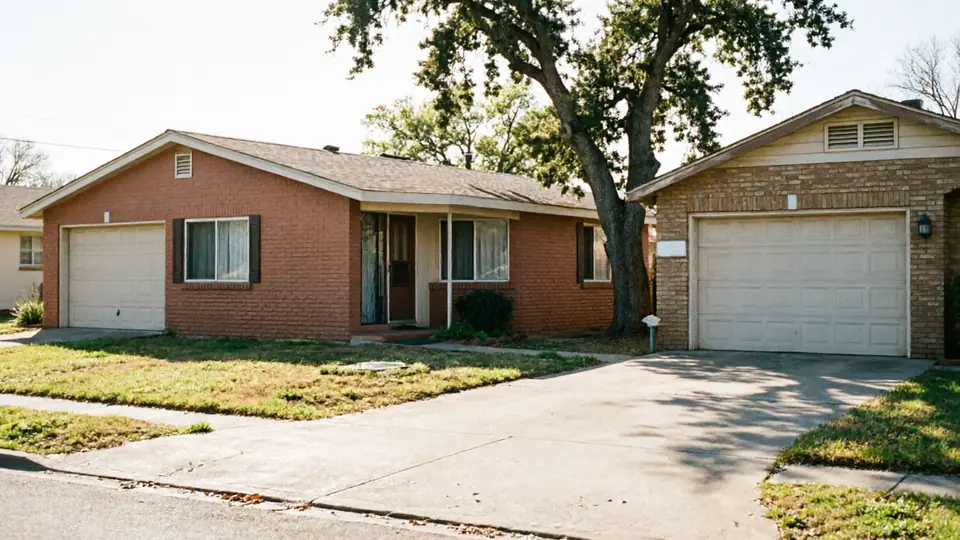
We don't post a flat number for opener installs because the job changes with what you already have mounted and what you're putting up. A straight swap onto an existing rail and header bracket is a shorter job than one where the old bracket has to come out and get replaced to fit a new unit. Belt-drive units generally run quieter than chain-drive and cost more up front; for most Hoover households we talk through both before ordering anything, since the house and garage layout decide which one actually fits, not a general recommendation either way.
On the truck
For opener calls we carry both chain-drive and belt-drive units in common horsepower ratings, replacement logic boards, photo-eye sensor pairs, and mounting hardware sized for the rail styles most common on homes built through the 80s and 90s. We also carry battery backup modules, since a lot of owners ask about them once they learn the feature exists. What we don't keep stocked are specialty commercial-grade operators or openers built for oversized custom doors - those get special-ordered, and we'll tell you up front if that's what your job needs rather than trying to make a standard unit fit.
Questions
Depends what's wrong. A sensor alignment or a worn drive gear is a reasonable repair. A dead logic board on a unit that old usually costs close to what a new opener runs, and you'd still have a motor that's 30 years into its service life - at that point replacement makes more sense than repair.
Often, yes, since it's about a 10-mile run from our Birmingham shop, but we confirm your opener model and mounting style before we load the truck so we're not making a second trip for the wrong bracket or rail kit.
Almost always the photo-eye sensors - either misaligned or clouded with age. On houses built in the early-to-mid 90s, those sensors are often original equipment and worth checking before assuming the whole opener needs replacing.
Usually, but not always. Some older rail and header brackets don't match newer opener mounting patterns, which is why we ask for your current setup before we order a unit rather than showing up and hoping it fits.
Explore more
Ready when you are
Birmingham Garage Door Pros repairs and installs garage doors, springs and openers in Birmingham, AL and the surrounding area.