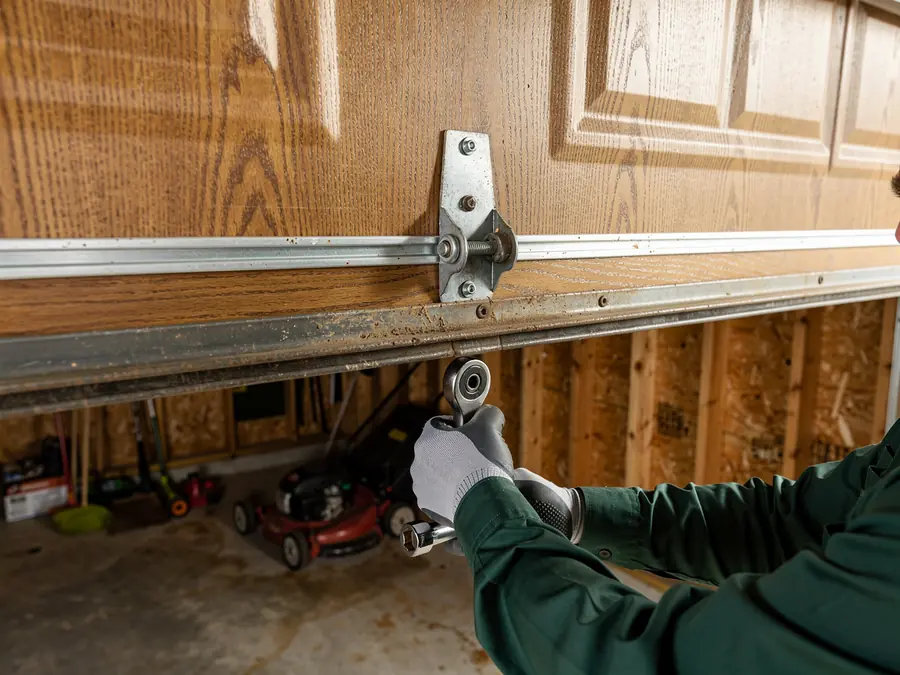
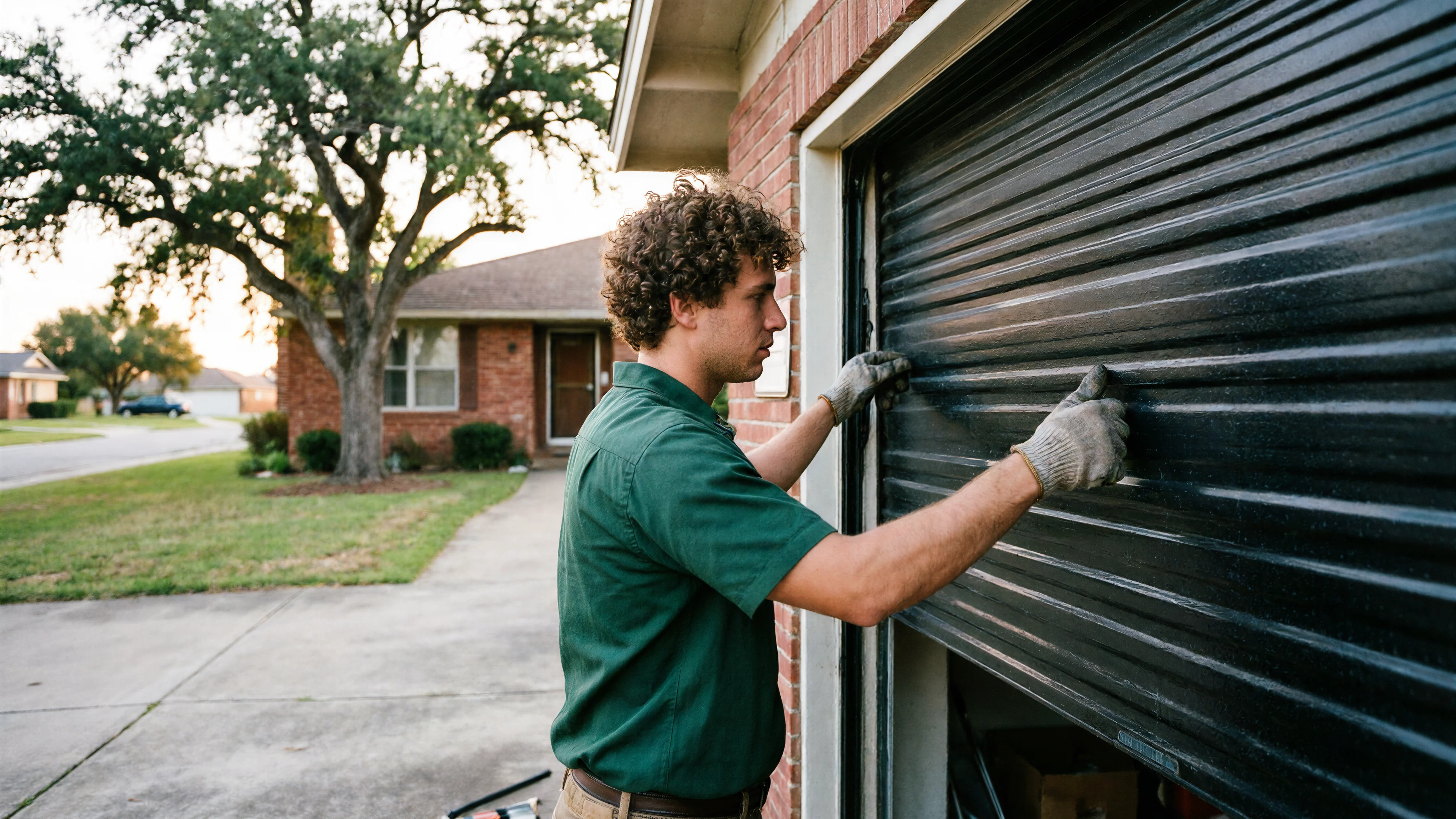
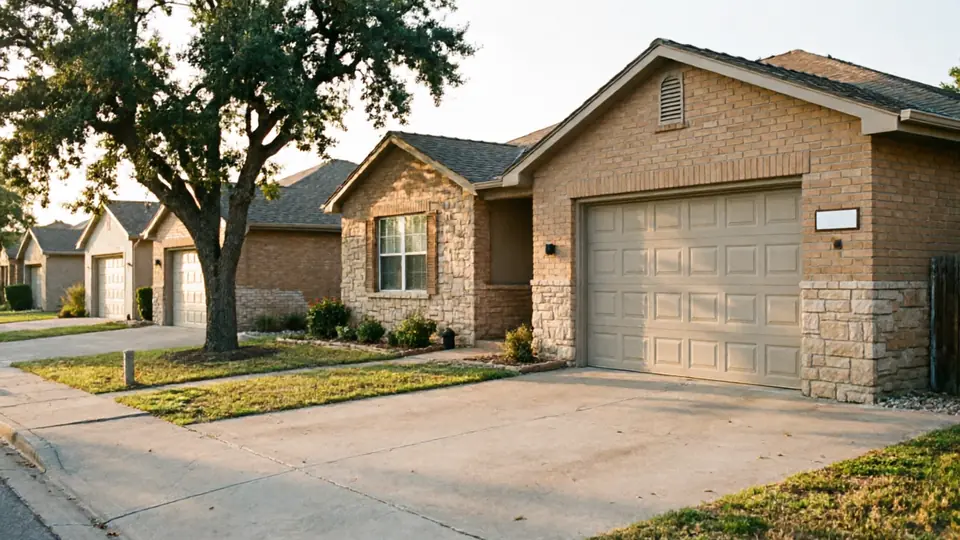
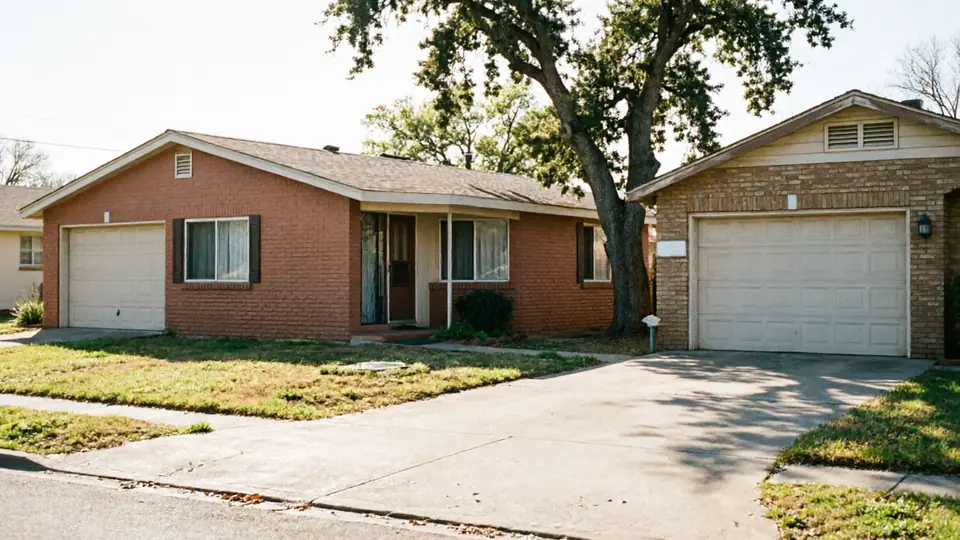
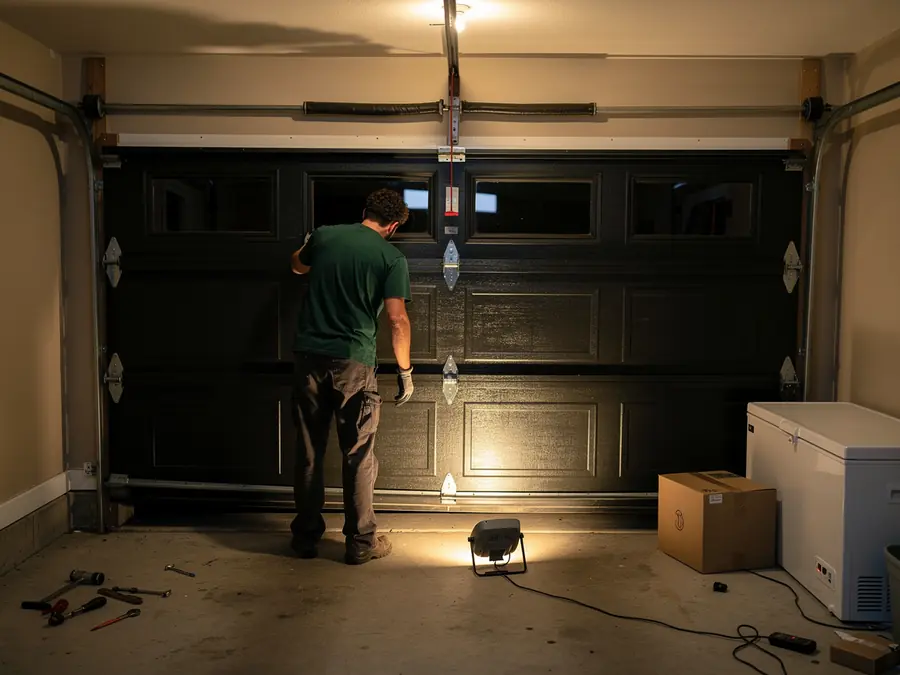
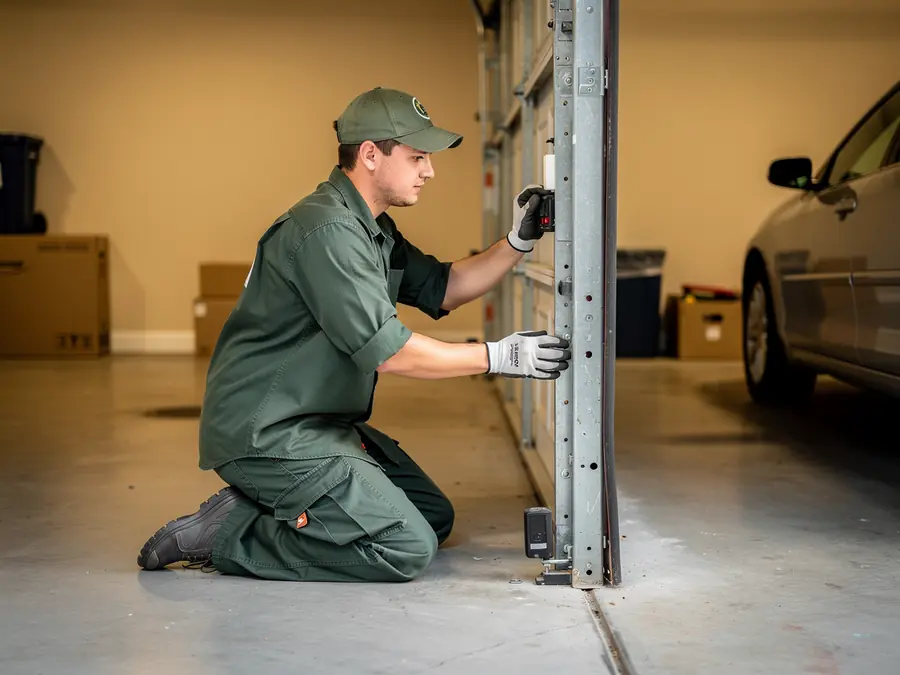
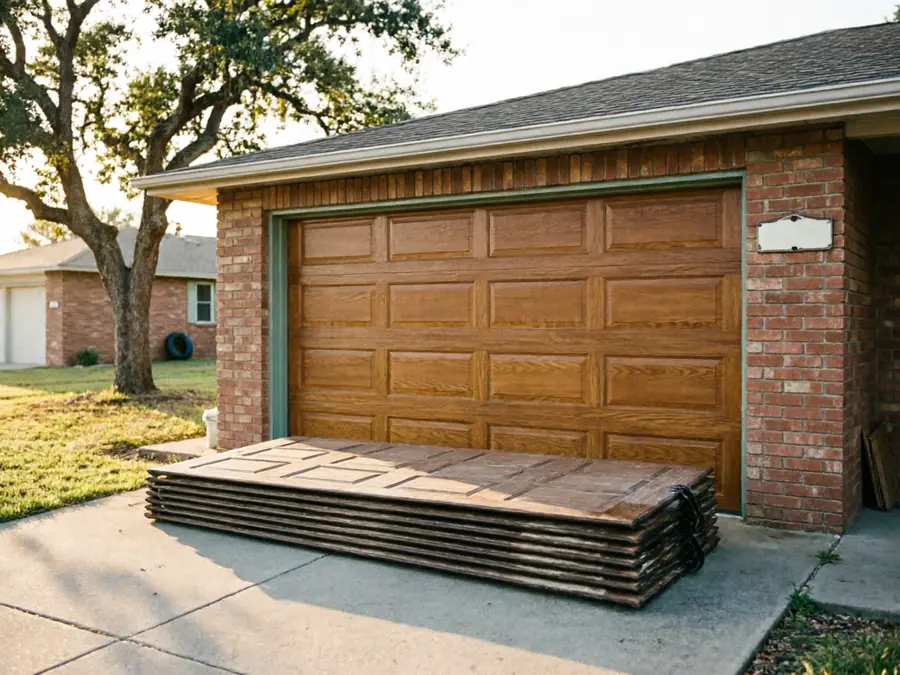
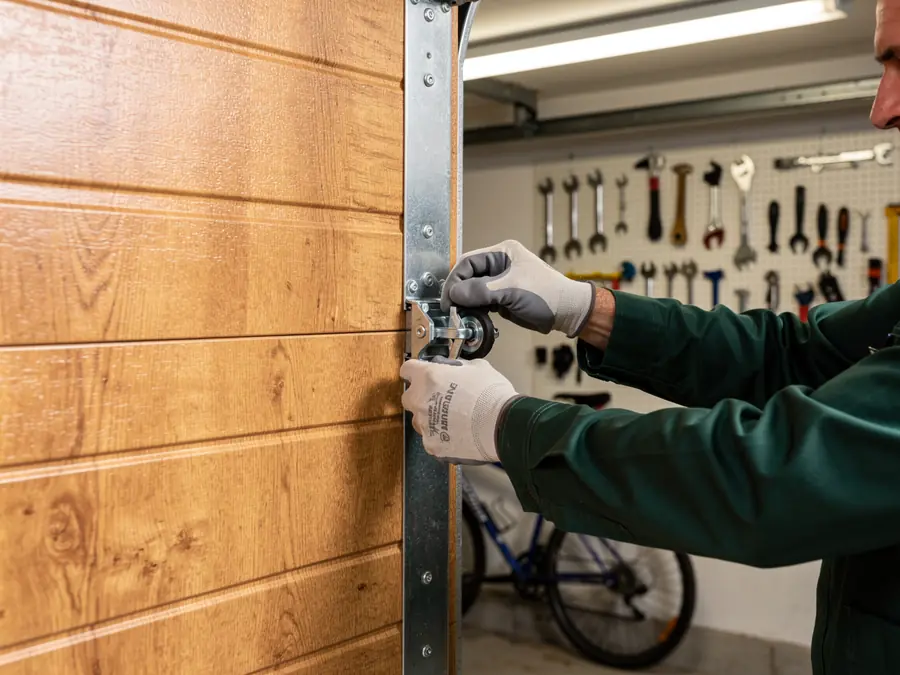
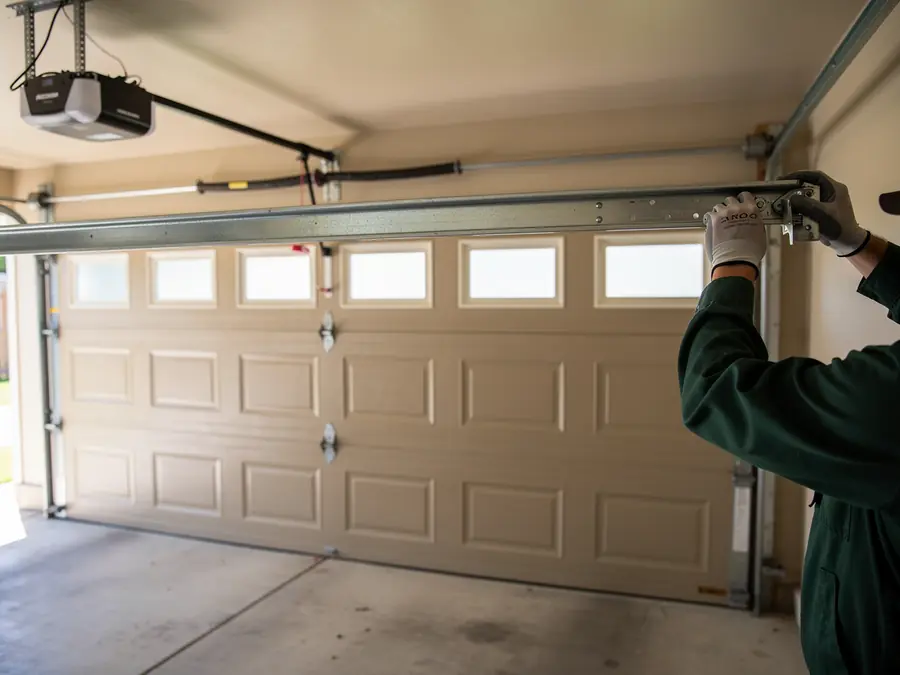
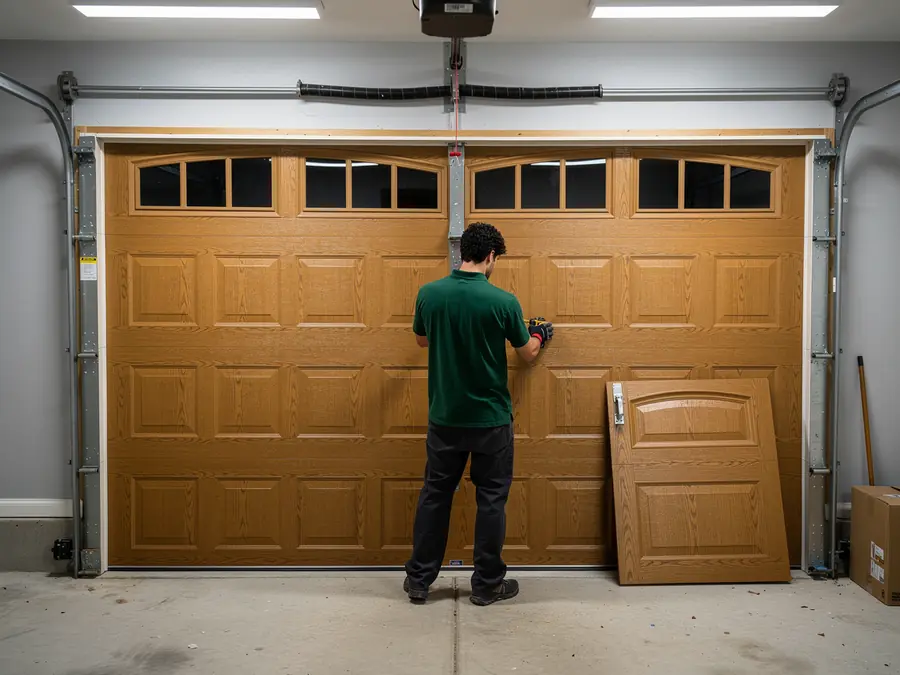
A door built for a 1978 house wasn't engineered for a cold-moderate climate the way a 2005 door is. Insulation on original panels is thin or missing, and the torsion spring sizing on a lot of these builds assumed lighter steel sections than what later double-wall doors use. When a homeowner swaps in a heavier door but keeps the original spring and drum, the imbalance shortens the life of everything downstream - cables, rollers, the opener's drive gear.
Vestavia Hills households sit at a median income around $129,171, well above the wider Birmingham-area median of $74,943, and that shows up in what we get asked to fix: not just "get it moving again" but "put in the right-weight spring and a quieter opener while you're here." The budget to do it right the first time is usually there. The original hardware just hasn't caught up.
The cold-moderate climate band this area sits in means freeze-thaw cycling is real but not severe - springs lose temper slower than in harder climates, but condensation inside unsealed tracks still rusts cable ends over a long winter.