
Original lighter single-layer doors
A door built around that era was almost always a single, uninsulated steel panel on standard-lift track, sized for a lighter door than most owners replace it with today.
Vestavia Hills, Birmingham
Vestavia Hills homes median $129,171 income and 1978-era doors change the repair-or-replace math. See what a new install involves, 6 miles from our Birmingham base.
Warning signs
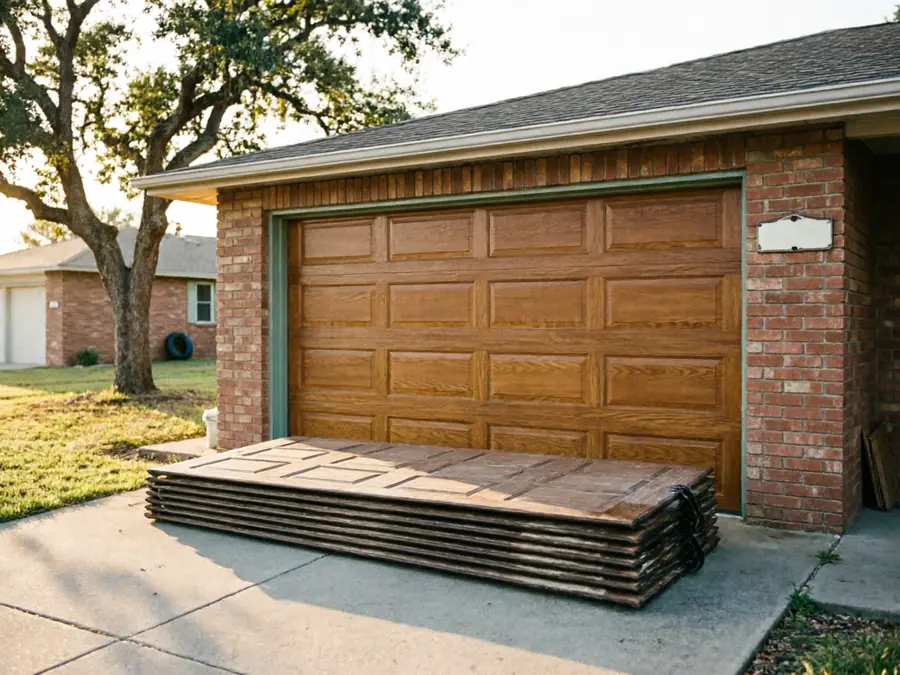
In Vestavia Hills, the call usually isn't "my door won't open." It's a homeowner who's already decided to stop patching. At a median household income of $129,171, most folks here don't want three service calls in two years on a door that's clearly done - they want it handled once. What you see on the door itself: a single-layer steel panel that's dented or bowed, an opener straining against springs that were never rated for anything heavier, and a door that's noticeably louder than the neighbor's newer install. None of that is an emergency. It's just a door that's reached the end of what it can do well.
The other tell is cosmetic mismatch - a flat, unfinished steel face next to a renovated facade, or a door that still has the look of a 1970s build on a house that's been updated twice since. That's not a functional problem, but it's often what actually triggers the call.
Local causes
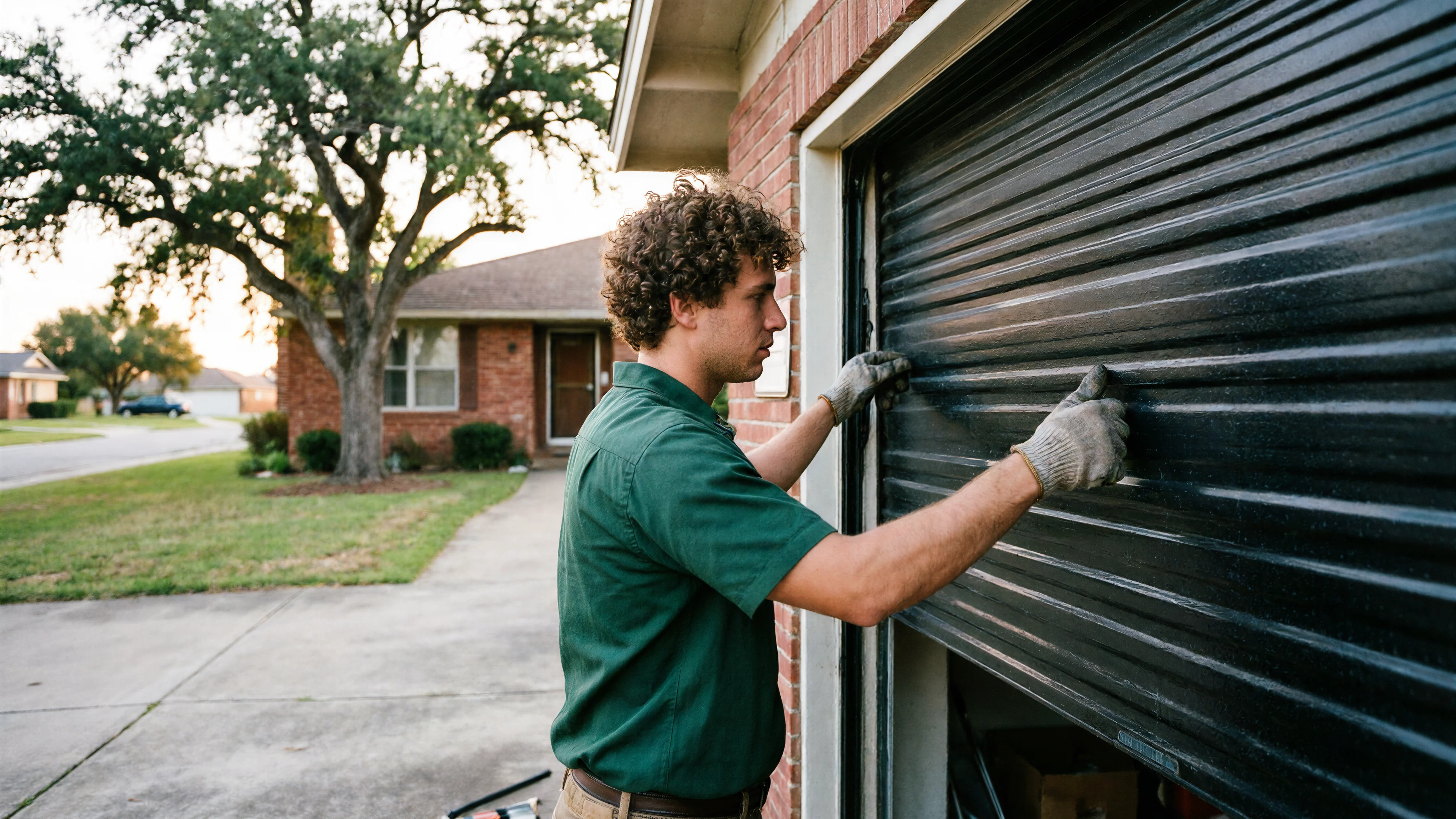
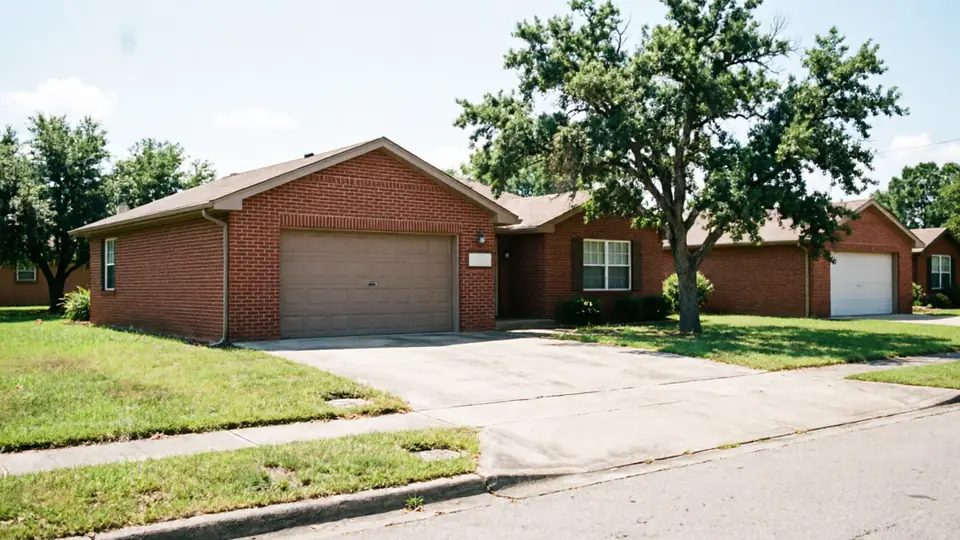
The median year built for houses in Vestavia Hills is 1978, which puts a lot of garage doors here at or past the point where the steel, the track, and the spring system are all original or close to it.
A door built around that era was almost always a single, uninsulated steel panel on standard-lift track, sized for a lighter door than most owners replace it with today.
When someone upgrades to a heavier insulated door without also upgrading the spring and track hardware underneath, the new door outweighs the old system and you get premature cable wear and a strained opener within a year or two. The climate band here is cold-moderate, which matters more than people expect for a door built in 1978.
That generation of door has no thermal break and no insulation layer, so temperature swings move the steel enough over four decades to throw panels slightly out of square. It's not dramatic, but it's consistent - and it's the reason a straight swap of old door for new door, without checking the track and header, doesn't hold up.
DIY or pro
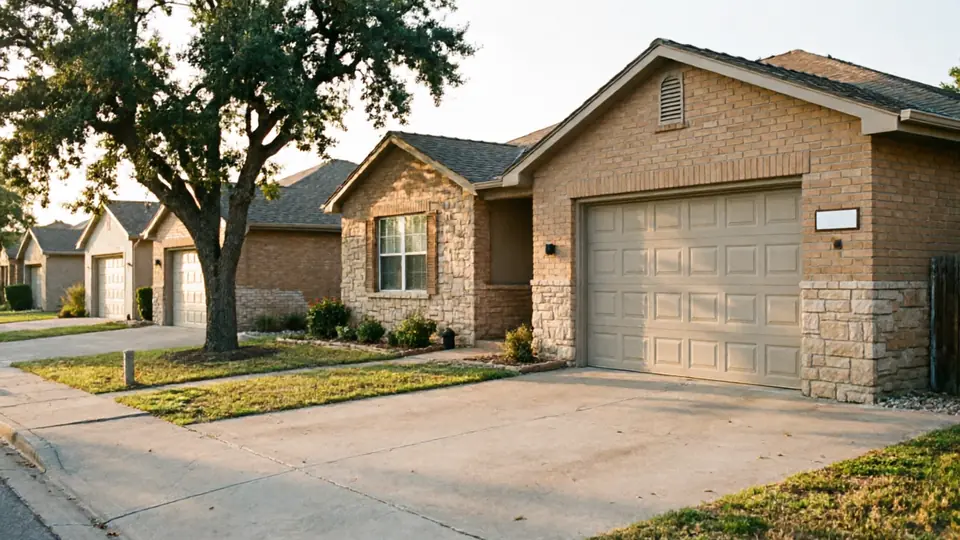
A full door swap isn't a weekend job, and we'll say that plainly: new track has to be set plumb against a header opening, spring tension has to be calculated for the actual weight of the new door, and torsion springs under load can cause real injury if you don't have the bars and clamps to control them. If you've done garage door work before and you're replacing a door of the same size and lift type, some of the panel work is within reach. Spring conversion, header reinforcement, or anything involving opener bracket relocation is where we'd tell you to stop and call someone. That's not a sales line - it's the part of this job that actually hurts people when it goes wrong.
The repair
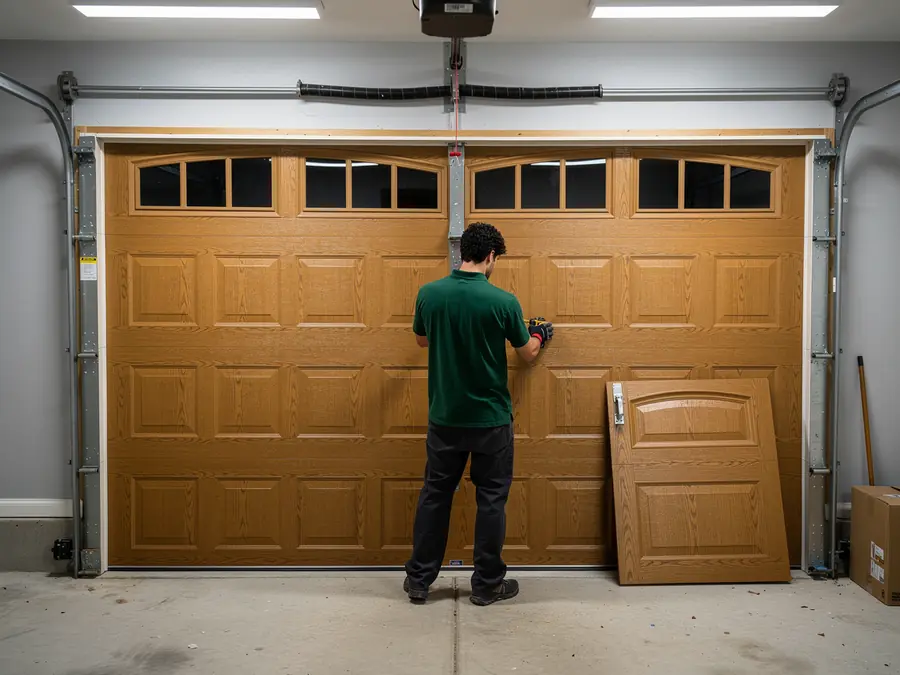
For a house with a 1978-era door, the job is rarely just "remove old door, hang new door.
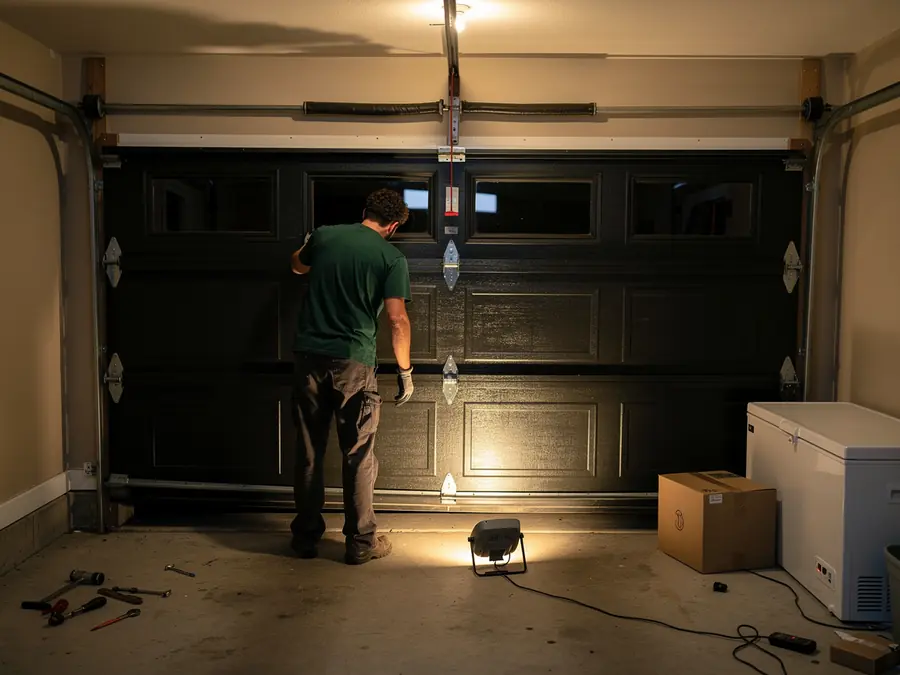
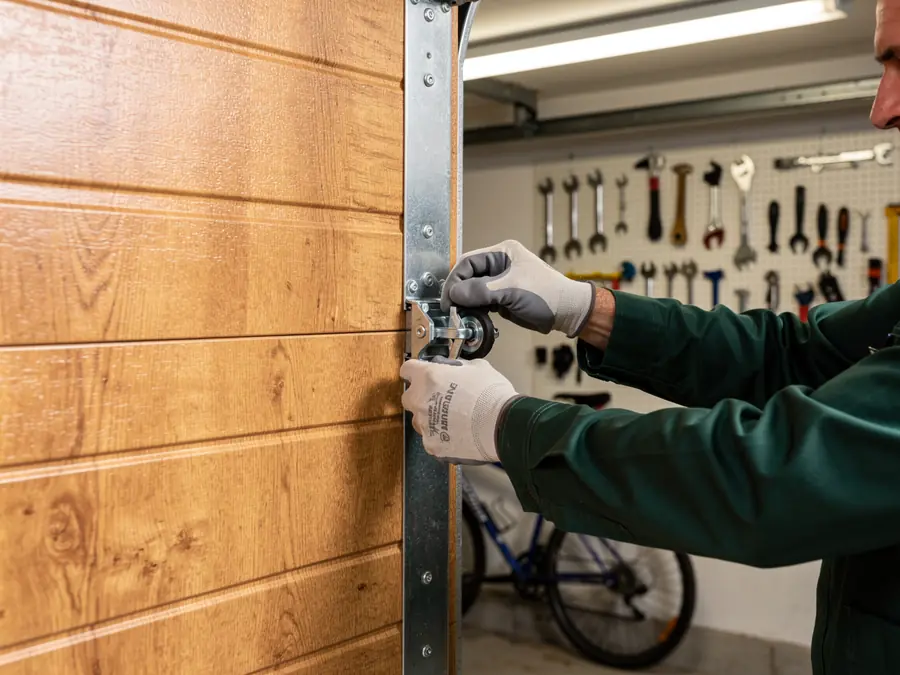
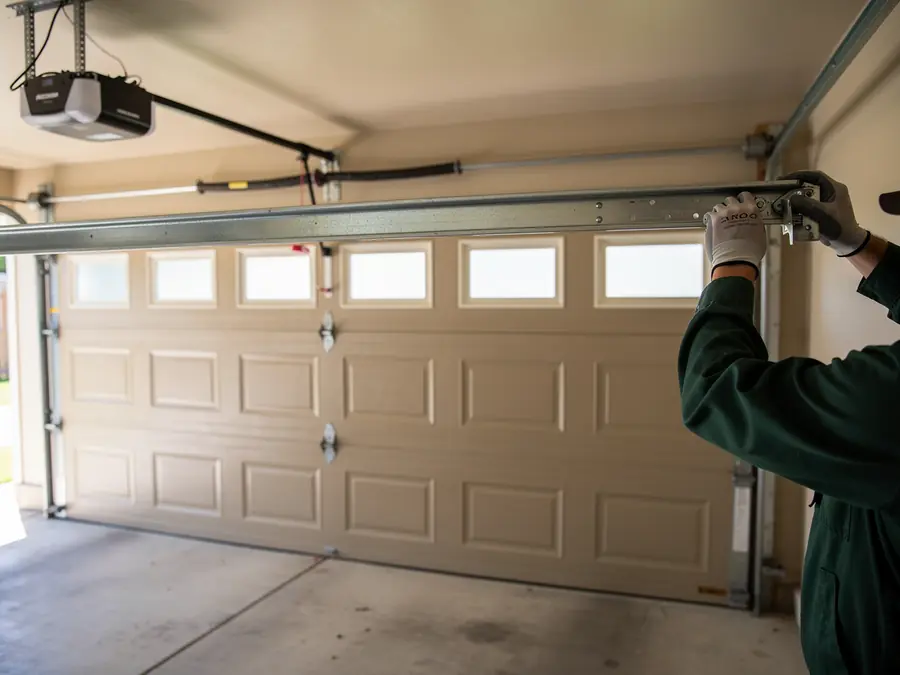
It starts with checking whether the existing track and header can take a heavier insulated panel - given the cold-moderate climate here, most Vestavia Hills replacements go in as insulated doors, which weigh more than the original single-layer steel they're replacing.
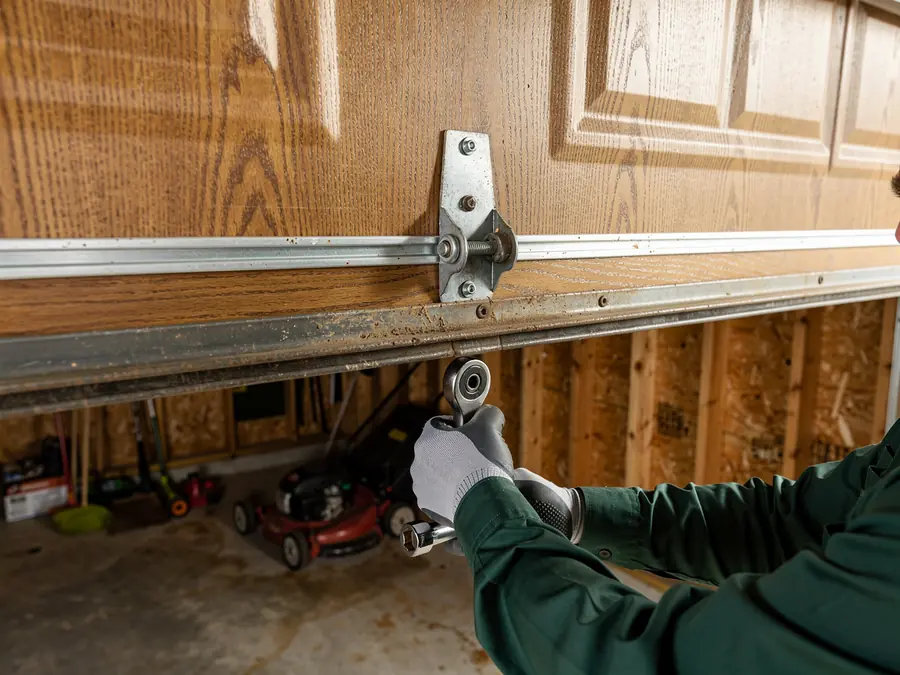
That usually means new torsion springs sized to the new weight, sometimes new track if the old rail has play in it from four decades of use, and a check of the opener's lift capacity before it goes back on.
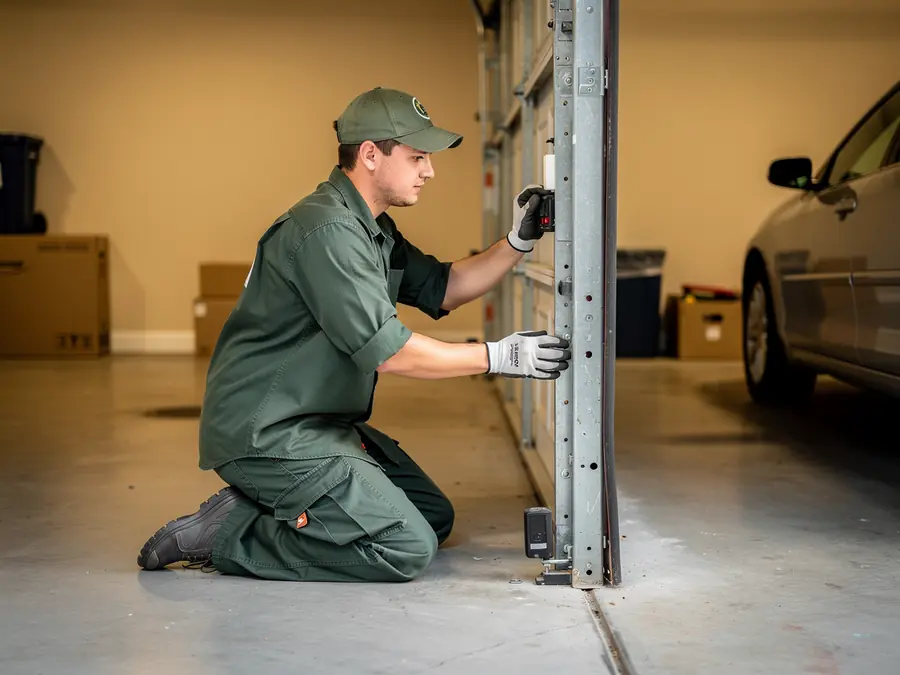
We're upfront about one limit here: if the header framing behind the old door has settled or shifted over that many years, that's carpentry work outside a standard door install, and we'll tell you before we start rather than after. On a straightforward swap, the panel, track, springs, and opener reconnection are the core of the job - nothing more, nothing padded in.
Downtime
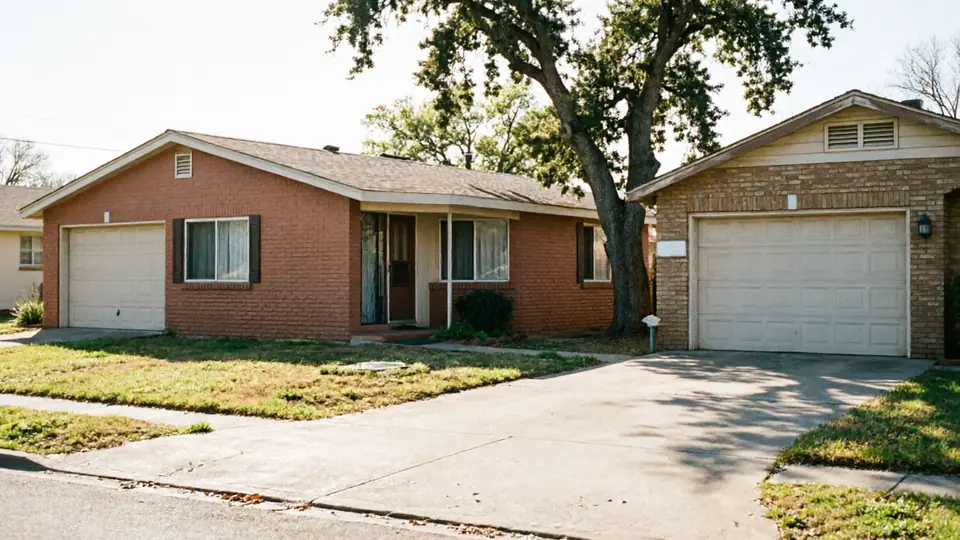
We run this job out of Birmingham, about 6 miles from Vestavia Hills, so there's no local stock sitting on a shelf a mile from your house - the door and hardware come with the crew. That means scheduling is the variable, not the work itself: once the crew is on site, a standard single-door replacement is typically a one-visit job. What we won't do is promise a same-day turnaround for every case, since header issues or a special-order insulated panel can push the timeline. Better to know that upfront than to get a door half-installed on a guess.
Booking
If you're in Vestavia Hills and ready to replace a door that's reached the end of its run, start with our Vestavia Hills service page for how we handle calls in this area. If you want the full picture of installation work across the Birmingham service area - options, materials, and how pricing generally breaks down - that's covered on our Birmingham installation page.
Questions
At the income levels typical in Vestavia Hills, most homeowners we talk to decide replacement makes more sense once the door is original to a 1978-era house - the steel, track, and spring sizing are all out of step with current insulated doors, so a repair just delays a bigger job. If the damage is isolated to one panel or a single spring, repair can still be the right call.
Yes. The cold-moderate climate band covering Vestavia Hills is exactly the condition insulated steel doors are built for - they resist the panel warping that uninsulated single-layer doors develop over decades of temperature swings. It's one of the main reasons most new installs here go in insulated rather than matching the original single-layer steel.
No. We run out of Birmingham, about 6 miles away, and the door and hardware travel with the crew rather than sitting in local stock. A standard swap is usually a one-visit job once scheduled, but we won't promise same-day on every call since special-order panels or header repairs can change the timeline.
Explore more
Ready when you are
Birmingham Garage Door Pros repairs and installs garage doors, springs and openers in Birmingham, AL and the surrounding area.